
news
EBITA: The Essential Guide to Understanding Earnings Before Interest, Taxes, and Amortization


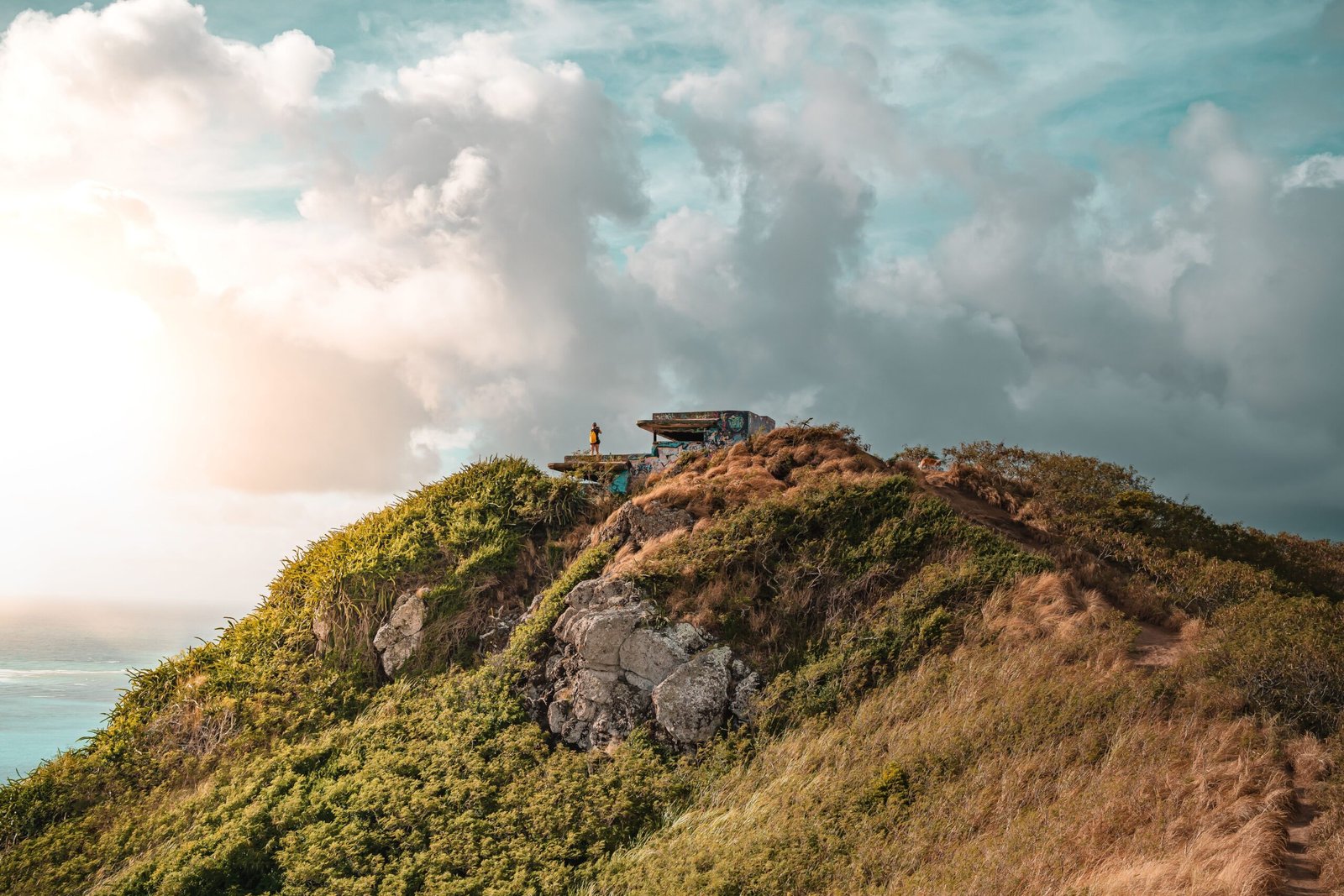
Conquering the Maili Pillbox Hike: Your Ultimate Guide to Oahu’s Pink Bunker
The island of Oahu is a treasure trove of natural beauty, from the bustling shores of Waikiki to the lush, verdant valleys of the windward coast. However, for those seeking a blend of physical challenge, historical intrigue, and breathtaking, unspoiled views, the western coast holds a unique gem known as the Maili Pillbox. This hiking trail is a world away from the crowded tourist hotspots and offers a quintessential Hawaiian adventure. The hike is home to the famous Pink Pillbox, an old military bunker painted a vibrant hue to promote breast cancer awareness, making it one of the most Instagrammable spots in the state. This article serves as your comprehensive guide to the Maili Pillbox Hike, detailing everything from its rich history and challenging terrain to the essential tips you need for a successful and safe journey.
The Maili Pillbox, also officially known as the Puʻu O Hulu Trail, is more than just a scenic viewpoint; it is a journey through time and a testament to Oahu’s diverse landscape. Nestled near the town of Waianae on the island’s leeward side, this trail is renowned for offering arguably the most spectacular panoramic views of the Pacific Ocean and the rugged West Coast. Unlike the lush, muddy trails found elsewhere on the island, the Maili Pillbox hike is characterized by its dry, dusty conditions and steep, rocky terrain, providing a distinct experience that contrasts sharply with the postcard-perfect images of the North Shore. It’s a place where you can see pods of dolphins playing in the waves below, watch the sun dip below the horizon in a blaze of color, and stand within the concrete walls of structures that played a role in World War II history . This hike is a must-do for anyone looking to escape the ordinary and experience the raw, untamed beauty of Oahu.
For those planning their Hawaiian itinerary, understanding the core elements of the Maili Pillbox Hike—its history, location, difficulty, and logistical details—is crucial. First and foremost, the trail offers a unique historical perspective; the pillboxes at the summit were originally constructed as military observation posts during World War II, and their vantage points are a testament to their strategic importance for defending the island’s coast . Today, the primary draw is the vibrant, hot pink pillbox, which was painted as part of the Pink Ribbon campaign, adding a layer of modern significance and artistic charm to the historical site . This guide will navigate you through the specifics, ensuring you are fully prepared to tackle the “Puu O Hulu” trail and create unforgettable memories on the west side of Oahu.
Key Takeaways for Your Maili Pillbox Adventure
Historical Significance: The Maili Pillbox Hike takes you to World War II-era military bunkers that served as crucial observation posts. The hike, also known as Puʻu O Hulu Trail, offers a tangible link to the island’s military past, providing a unique and reflective experience amidst the scenic views .
Location and Difficulty: Located on Oahu’s west side near Maili Beach Park, the hike is a short but steep out-and-back trail of approximately 1.6 miles. While often described as easy to moderate, its steep inclines and rocky, uneven terrain make it a solid workout suitable for families with older children and active individuals .
Best Time and Preparation: To avoid the intense mid-day heat and enjoy the best views, plan your hike for early morning or late afternoon for a stunning sunrise or sunset. Essential gear includes sturdy hiking shoes, plenty of water, sun protection, and a camera to capture the incredible 360-degree views .
Unique Features: The trail features multiple pillboxes, but the main attraction is the third one, painted hot pink to support breast cancer awareness. These colorful bunkers provide excellent photographic backdrops and resting spots with cool interiors and windows that frame the ocean like a painting .
What is the Maili Pillbox Hike?
The Maili Pillbox hike, also known by its Hawaiian name, Puʻu O Hulu, is one of the most iconic and visually rewarding trails on the island of Oahu. Situated on the less-traveled west side, this hike is famous for leading adventurers to a series of historical World War II military bunkers, known as pillboxes, perched dramatically on a steep ridge. The crown jewel of the route is the third pillbox, which has been painted a brilliant shade of hot pink, making it a standout landmark against the rugged green and brown of the mountains and the deep blue of the Pacific Ocean . This is not just a hike for the physically active; it is a pilgrimage for photographers, history buffs, and anyone seeking a profound connection with Oahu’s natural splendor. The trail offers a unique perspective of the island, far removed from the cityscapes of Honolulu, providing an intimate look at the Wai’anae coastline.
Many visitors compare the Maili Pillbox to its more famous cousin on the windward side, the Lanikai Pillbox hike. While both provide breathtaking views, the Maili trail offers a distinctly different, more rugged experience. Located near the town of Waianae, this hike provides dry, hot, and dusty conditions that are a stark contrast to the lush, sometimes muddy conditions of the east side. The trail’s elevation gain is significantly greater than Lanikai’s, offering a more strenuous climb and, many argue, even more expansive views . The effort required to reach the summit is substantial; hikers are rewarded with sweeping vistas that stretch from Ko Olina in the south to Kaena Point in the north, encompassing the entire vastness of the west coast . The experience is a powerful reminder of the island’s wildness and a favorite among locals who regularly tackle the climb for the sunset views.
Primary Keyword: Maili Pillbox Hike
Secondary Keyword: Puʻu O Hulu Trail
The History Behind the Pillboxes
The concrete structures that dot the summit of the Puʻu O Hulu trail are not just random relics; they are tangible pieces of history that played a critical role in the defense of Oahu during World War II. These pillboxes were constructed as military observation posts and defensive positions, strategically placed along the island’s coast to watch for enemy ships and aircraft. Their elevated locations, providing unobstructed 360-degree views of the ocean and surrounding valleys, were crucial for early warning systems and coastal artillery operations . Today, standing inside these silent, weathered structures, hikers can pause and reflect on the historical significance of the site, imagining the soldiers who once manned these posts, scanning the horizon for potential threats.
The most famous of these bunkers is the “Pink Pillbox,” whose vibrant color is a more modern addition. The structure was painted pink as part of the global Pink Ribbon campaign, a movement dedicated to raising awareness for breast cancer . This act transformed a symbol of war and vigilance into a symbol of hope, healing, and community support. This distinct color not only makes the Maili Pillbox one of the most Instagrammable spots in Hawaii but also serves as a constant reminder of the fight against a widespread disease . The juxtaposition of the formidable, historical military architecture with the bright, compassionate pink paint creates a unique and deeply resonant landmark. The other pillboxes on the trail, though not as vibrantly colored, also feature various forms of art and graffiti, adding to the site’s evolving, living history .
Secondary Keyword: WWII Pillboxes Oahu
Primary Keyword: Pink Pillbox Hawaii
Location and How to Get There
Accessing the Trailhead
The Maili Pillbox trailhead is located on the west coast of Oahu, near the town of Waianae. To get there, you will need to drive along Farrington Highway (Highway 93) heading north. The trail is situated just past the town of Nanakuli, before you reach Waianae. A key marker is the turn onto Kaukama Road from Farrington Highway. Once you turn onto Kaukama Road, you will be in a residential area. Drive up the road, and look for the 9th street lamp on the right-hand side of the street; the trailhead is marked by a path leading up the hillside right near this lamp post. It can be easy to miss, so keep a close eye out for it, or look for a cluster of parked cars and a popular smoothie truck that is often stationed at the bottom .
Parking Information
Parking for the Maili Pillbox hike is available along the side of the street on Kaukama Road. There is no official parking lot, so parking is at a premium and on a first-come, first-served basis. It is generally considered easy to find a spot, especially on weekdays, but it can be more challenging on weekends and during peak visitor seasons. The area is residential, so be mindful of driveways and any local parking restrictions . A crucial piece of advice for all hikers is to exercise extreme caution with their vehicles. This area has a known reputation for break-ins. Do not leave any valuables visible in your car, and make sure to lock your doors. Ideally, you should take all your belongings with you on the hike to avoid any risk of having your car window smashed .
Secondary Keyword: Maili Beach Park
Navigating the Trail: What to Expect
Terrain and Difficulty
The Maili Pillbox hike is a short but challenging trek that is best described as a steep, dry, and rocky climb. The trail itself spans approximately 1.6 miles roundtrip and features a significant elevation gain of around 500 to 700 feet . The path is a mix of dirt, gravel, and loose rocks, with sections that are quite steep and require careful footing. The incline is relentless, starting with a steep climb that often leaves hikers catching their breath. As you ascend, the trail turns into a series of switchbacks, which ease the grade slightly but still demand consistent effort. There is a fork in the path about halfway up; taking the left route leads to more gentle switchbacks, while the right path leads to a significantly steeper climb equipped with a metal cable for assistance .
Pillboxes and Views
There are four pillboxes on the trail, each offering unique perspectives and reasons to stop and rest. The first pillbox is reached relatively quickly and provides a great initial vantage point. The main attraction, the hot pink pillbox, is the third one you encounter. This is the ultimate destination for most hikers, offering the most famous and photogenic views. Here, you can climb inside the cool, shaded bunker and look out its small windows, which frame the ocean and coastline like a living painting . The fourth pillbox, located a bit further along a narrow ridge, is slightly more challenging to reach and has a steep drop-off on either side, making it a spot for more adventurous hikers and those seeking a more secluded view .
Essential Preparation and Safety Tips
What to Bring
Proper preparation is non-negotiable for the Maili Pillbox hike, given the trail’s exposure and lack of amenities. The most important item to pack is an ample supply of water. The hike is in a hot, dry area with zero shade for most of the route, and dehydration can quickly become a serious issue. Wear sturdy hiking shoes or sneakers with a good grip; the loose rocks and steep sections make sandals or flip-flops a dangerous choice. Sun protection is also critical; a hat, sunglasses, and high-SPF sunscreen are essential to prevent sunburn, as you will be fully exposed for the entire duration of the hike. Finally, bring a fully charged phone or a camera to capture the incredible views, and consider bringing a small snack to enjoy at the top .
Safety Considerations
While the Maili Pillbox hike is a popular and generally safe adventure, there are several important safety considerations to keep in mind. The heat is the greatest challenge; hiking during the middle of the day can be extremely strenuous and dangerous. Aim to hike in the early morning or late afternoon to avoid the peak temperatures. The trail has steep drop-offs and narrow sections, so caution is paramount, especially near the top and if you plan to continue to the fourth pillbox. Several hikers have noted incidents of falls, underscoring the importance of staying alert and watching your footing at all times . Also, be aware that cell phone reception can be spotty in the area, so it’s a good idea to download a map of the trail beforehand. Respecting the land and the locals is also part of a safe experience; be respectful, pack out all trash, and keep noise to a minimum .
Comparison: Maili vs. Lanikai Pillbox Hike
A common question for hikers on Oahu is how the Maili Pillbox hike stacks up against the more famous Lanikai Pillbox hike. Both are iconic, but they offer vastly different experiences. The Lanikai Pillbox (Kaiwa Ridge Trail) on the windward side is often seen as a more beginner-friendly trek, with a paved or well-maintained dirt path and views of the iconic Mokulua Islands and turquoise waters. It is highly accessible from the tourist hubs and is typically more crowded. In contrast, Maili is a steeper, more rugged climb with a drier, dustier terrain. While both are about the same length (roughly 1.6 miles), the Maili trail’s elevation gain is more significant, making it a more strenuous workout for most hikers .
For those deciding between the two, the choice often comes down to the type of experience they are seeking. Lanikai offers an iconic, classic, and easier-to-access postcard view of Oahu’s coast. Maili, however, provides a more raw and adventurous feel, offering expansive, panoramic views of the entire west coast from Kaena Point to Kapolei. It feels more remote and less manicured, which appeals to hikers looking for a quieter and more challenging escape. The drive to Maili is also a factor; it’s farther from Waikiki, making the adventure a half-day commitment. Ultimately, many hikers agree that while Lanikai is a must-see, Maili offers views that are arguably just as spectacular and offers the added historical intrigue of the vibrant pink pillbox .
Conclusion
The Maili Pillbox Hike is an essential experience for anyone visiting or living on Oahu. It is a journey that encapsulates the island’s rich history, rugged natural beauty, and the spirit of its community. More than just a physical workout, the hike offers a deep sense of accomplishment and a connection to the land and its past. From the historical wartime bunkers that stand as silent sentinels to the stunning 360-degree views of the Wai’anae coastline and the vibrant, modern art of the pink pillbox, every step on the Puʻu O Hulu trail tells a story. The contrast between the formidable concrete structures and the serene, endless ocean creates an atmosphere that is both humbling and exhilarating.
While the trail presents challenges like steep inclines, loose rocks, and intense sun, the rewards far outweigh the effort. Preparing with proper gear, water, and sun protection ensures a safe and enjoyable adventure. Whether you’re seeking a place to watch the sunset paint the sky in shades of orange and pink, snap a truly unique photo, or simply stand where soldiers once stood and defend their home, the Maili Pillbox delivers. It is a reminder that some of the most beautiful places on earth require a bit of work to reach, and those are often the most unforgettable. So, lace up your sturdy shoes, pack plenty of water, and head to the west side for an experience that will leave you with a profound appreciation for the beauty and history of Oahu.
Frequently Asked Questions (FAQ)
1. What is the Maili Pillbox hike?
The Maili Pillbox hike is a popular and scenic trail located on the west side of Oahu, Hawaii. Officially known as the Puʻu O Hulu Trail, it features a steep climb to a series of historical World War II military bunkers. The most famous of these is the third pillbox, which is painted a vibrant hot pink. The hike rewards adventurers with spectacular panoramic views of the Wai’anae coastline and the Pacific Ocean .
2. Is the Maili Pillbox hike difficult?
The trail is considered easy to moderate in terms of distance, being approximately 1.6 miles roundtrip. However, it is a steep and challenging climb with a significant elevation gain of about 500 to 700 feet. The terrain is rocky and uneven, and the trail is completely exposed to the sun, making it strenuous, especially during the heat of the day .
3. Where is the Maili Pillbox trailhead?
The trailhead is located on the west coast of Oahu near Waianae. It is accessed by turning onto Kaukama Road from Farrington Highway. The start of the trail is near the 9th street lamp post on Kaukama Road .
4. What should I bring for the Maili Pillbox hike?
Essential items include plenty of water (there is no water source on the trail), sturdy hiking shoes (sandals are dangerous), high-SPF sunscreen, a hat, and sunglasses. It is also wise to bring a camera for the views and to pack out any trash you bring in .
5. When is the best time to hike Maili Pillbox?
The best time to hike is early in the morning or late in the afternoon. This allows you to avoid the intense midday heat and the strongest rays of the sun. These times also offer the chance to witness spectacular sunrises or sunsets from the top of the ridge .
6. Is parking safe at the Maili Pillbox trailhead?
Parking is on the street along Kaukama Road. While it is generally available, it is a high-theft area. Hikers must exercise caution by not leaving any valuables visible in their cars and ensuring their vehicles are locked. It is recommended to take all your belongings with you on the hike .
7. Why is the Maili Pillbox painted pink?
The pillbox is painted pink as part of a community effort to support breast cancer awareness, inspired by the global Pink Ribbon campaign. This vibrant color has turned a historical military bunker into a modern landmark and a popular symbol of hope and support .
8. How does the Maili Pillbox compare to the Lanikai Pillbox?
While both offer incredible views, they are different experiences. The Lanikai Pillbox is easier and more accessible on the windward side with views of the Mokulua Islands. The Maili Pillbox is a steeper, more rugged hike on the dry west side, offering panoramic views of the entire Wai’anae coast and is known for its famous pink paint. Many consider Maili to offer a more adventurous and less crowded experience .

Introduction
The word “fascisterne” (the fascists) carries a profound and chilling weight in modern history, invoking images of totalitarian control, street violence, and a relentless assault on democratic values. While the term itself originates with Benito Mussolini’s Italy and the broader European phenomenon of the 1920s and 30s, its presence in a Danish context represents a crucial, often overlooked chapter in the nation’s history. In Denmark, “fascisterne” were not merely a distant foreign threat but a tangible, albeit fragmented, domestic political force whose presence on the streets of Copenhagen and provincial towns provoked a powerful and lasting reaction from the established political order and the militant left. This article explores the nature of these Danish fascist groups, the strategies they employed, and the significant lessons their brief but intense era of activity holds for understanding the persistent allure of ultranationalist movements today. By examining the rise of “fascisterne” and the robust reaction against them, we can better comprehend the political fault lines that shaped the 20th century and continue to resonate in the 21st.
The Rise of “Fascisterne” in a Time of Crisis
The genesis of Danish fascism is inextricably linked to the political and social upheaval that gripped Europe following World War I. The deep crisis of the liberal system, the fear of communism sparked by the Russian Revolution, and the rise of militant nationalism provided fertile ground for new, radical ideologies. In Italy, Benito Mussolini’s Fasci di combattimento offered a model of a revolutionary, anti-democratic movement that combined a potent mix of nationalism, anti-socialism, and a willingness to use violence to seize power . This model proved to be a powerful source of inspiration across the continent, leading to the emergence of various “fascist movements” that were national in character but shared a common ideological DNA .
In Denmark, this influence began to manifest in the late 1920s, but it was the seismic electoral successes of the German National Socialist German Workers’ Party (NSDAP) from 1930 onward that provided the crucial catalyst . The rise of Nazism across the southern border galvanized Danish fascists, leading to the founding of several domestic parties. Of these, the most prominent was the Danmarks Nationalsocialistiske Arbejderparti (DNSAP), founded in Copenhagen in November 1930 under the leadership of figures like ritmester Cay Lembcke . These groups, while small, were part of a broader European movement that sought to exploit the anxieties of the era. The term “fascisme” was a known but broad label; in its German form, nationalsocialism or Nazism, it was the variant that would come to dominate the public consciousness and become the primary focus of its opponents in the labour movement .
The Battle for the Streets: Fascist Methods and the Antifascist Response
The defining feature of “fascisterne” in Denmark, as elsewhere, was not just their ideology but their political style. They were, above all, a street movement. Drawing inspiration from the Italian squadristi and the German Sturmabteilung (SA), they viewed the streets as the primary arena for political struggle. As the German propaganda minister Joseph Goebbels famously articulated, “Whoever can conquer the streets will also conquer the masses; and whoever conquers the masses, conquers the state” . The fascists aimed to achieve this conquest through a strategy of intimidation and symbolic warfare, using violence, marches, and provocative meetings to challenge the political dominance of the labour movement .
In Denmark, this strategy manifested through the creation of uniformed “stormtropper” (stormtroopers) and the organization of public “torvemøder” (square meetings). For groups like the DNSAP, as well as radicalized elements of the youth wings of other parties such as Konservativ Ungdom (KU), the adoption of paramilitary aesthetics—uniforms, symbols, and marching formations—was a key component of their political practice . The goal was to project an image of strength, discipline, and determination, thereby staking a claim to the public space that had traditionally belonged to the workers’ movement . This “militant activism” was seen as a direct affront by their political opponents, who perceived the threat as existential .
The primary and most potent counterforce to the rise of “fascisterne” in Denmark was the antifascist mobilization on the left. This struggle was not confined to intellectual debate but was waged on the same streets that the fascists sought to conquer. Both the communist and social democratic youth movements formed their own uniformed defense organizations: the communist-led Arbejderværnet (Workers’ Guard) and the social democratic Ordensværnet (Order Guard) . Drawing inspiration from the German paramilitary groups like the Roter Frontkämpferbund and the Eiserne Front , these groups were prepared to meet the fascists with physical confrontation. The Ordensværnet adopted the three-arrow symbol of the Eiserne Front as their emblem, a powerful marker of their antifascist stance . This was a period of genuine radicalization, where the ideological battles of the era were fought physically on the streets of cities like Copenhagen, a conflict that historian Charlie Krautwald has meticulously documented in his research .
The Danish Model: Legislative Suppression and Political Hegemony
Despite the militant atmosphere, the Danish experience with fascism diverged significantly from the developments in Germany, Italy, or even its Nordic neighbors. While the “fascisterne” in Denmark were active and violent, they were never able to achieve the same level of success or mass support as their counterparts in other countries . Several interconnected factors contributed to this, most notably the strength of the democratic institutions and the powerful response of the mainstream political establishment. The Social Democratic government, under the leadership of Thorvald Stauning, pursued a two-pronged strategy: aggressive social reform and decisive legislative action against its radical opponents .
The government’s political hegemony was cemented through agreements like the 1933 Kanslergadeforliget with the liberal party Venstre, which laid the groundwork for comprehensive welfare reforms . This demonstrated that the state could address the social anxieties of the era through democratic means, thereby undermining the appeal of radical solutions. More directly, the Danish parliament passed crucial legislation aimed at stifling the paramilitary activism of both the far-right and far-left. In 1933, a law prohibiting the wearing of political uniforms (the uniformsforbud) was passed, a move that had a significant impact on the activist groups . This was followed by further “urolove” (laws against public disorder) that sought to curb the street violence that had become endemic . This legislative strategy, combined with the Social Democrats’ immense popularity, helped isolate the fascist groups and prevent them from gaining a foothold in the political mainstream.
Conclusion
The story of “fascisterne” in 1930s Denmark is a crucial case study in the resilience of democracy in the face of totalitarian pressure. While the Danish fascist movement was a real and violent phenomenon, it was ultimately a marginal force, unable to compete with the established parties and their capacity to mobilize society. The key to this success was a dual strategy of firm legislative action—as seen in the uniform ban and public order laws—alongside a robust project of social reform that addressed the economic and social fears of the populace. Furthermore, the willingness of the Social Democratic and Communist youth wings to physically confront the fascists on the streets, while fraught with its own dangers, demonstrated that the fascist threat would not be met with passivity.
The insights from this period are not merely historical curiosities. As contemporary historians note, the emergence of new ultranationalist and populist movements today has renewed interest in the study of fascism . The methods of the past—the use of street violence, the exploitation of cultural anxieties, and the pursuit of a “palingenetic form of populist ultranationalism” aiming for a national rebirth —find echoes in various modern political phenomena. The Danish experience of the 1930s serves as a powerful reminder that democratic resilience is not passive; it requires constant vigilance, a clear-eyed assessment of threats, and a willingness to defend the principles of open society against those who seek its destruction.
FAQ
1. Who were “fascisterne” in Denmark?
“Fascisterne” is the Danish term for fascists. In the 1930s, it referred to several political groups and movements inspired by Italian Fascism and German National Socialism (Nazism). The largest of these was the Danmarks Nationalsocialistiske Arbejderparti (DNSAP), founded in 1930. These groups were characterized by ultranationalism, anti-democratic and antisocialist ideologies, and a paramilitary style of politics that involved street violence and provocative marches .
2. What was the “Battle for the Streets”?
The “Battle for the Streets” was a key feature of the political conflict in 1930s Europe, including Denmark. Both fascist groups and their opponents on the left viewed public spaces as the primary arena for political struggle. The fascists used marches, rallies, and violence to intimidate the left and project an image of strength, while the antifascists, including the Arbejderværnet (communist) and Ordensværnet (social democratic), organized to physically prevent them from controlling the streets .
3. How did Denmark respond to fascism in the 1930s?
Denmark’s response to its domestic fascist movement was characterized by a combination of strategies. The Social Democratic government passed effective legislation, such as the uniformsforbud (uniform ban) and public order laws, which limited the paramilitary activities of the groups. This was combined with a strong social reform agenda, which addressed the underlying social anxieties and helped solidify the democratic state’s legitimacy, ultimately marginalizing the fascist parties .
4. How is the history of fascism relevant today?
Historians and commentators point to the history of fascism to understand contemporary ultranationalist and populist movements. The methods and rhetoric of the 1930s—including anti-immigrant sentiment, the glorification of violence, and attacks on democratic institutions—can be seen in various modern contexts. Understanding how democracies successfully, or unsuccessfully, confronted these forces in the past provides crucial lessons for today . As one historian put it, “to fight fascism is about survival” and preserving what is valued in an open society

1998 Toyota Celica: Complete Guide to Specs, Features, Performance and Reliability

Warehouse DMB: A Complete Guide to Warehouse Management and Distribution

Zoozoo Tube: A Complete Guide to Online Video Entertainment

Kinervus: Everything You Need to Know About the Emerging Concept in Rehabilitation, Technology, and Digital Innovation

ReadMyManga com: Features, Safety, Legal Risks, and Everything You Need to Know in 2026

Danielle Vangar: The Private Woman Behind a Publicly Known Name
 Tech3 months ago
Kinervus: Everything You Need to Know About the Emerging Concept in Rehabilitation, Technology, and Digital Innovation
- Tech3 months ago
ReadMyManga com: Features, Safety, Legal Risks, and Everything You Need to Know in 2026
- Lifestyle3 months ago
Danielle Vangar: The Private Woman Behind a Publicly Known Name
- Fashion3 months ago
Carey Salley: The Private Life Behind a Hollywood Connection
- Entertainment3 months ago
Pele Velentina: The Rise of a New Musical Artist and Daughter of Lisa Kennedy Montgomery
- Tech2 months ago
Bilieter : The Complete Guide to Meaning, Uses, Features, and Why It Is Gaining Attention
- Business2 months ago
The Many Faces of Ori Solomon: From Corporate Law to the Las Vegas Biolab Case and Beyond
- Tech3 months ago
Kaliscan: The Ultimate Guide to Understanding Its Features, Risks, and Potential