
Connect with us

life

What Is Ice Blue Color? The Complete Guide to ‘s Most Trending Shade

Published

on

What Is Ice Blue Color? The Complete Guide to 's Most Trending Shade

In 2026, ice blue color has become one of the most sought-after shades in fashion, interior design, branding, web design, beauty, and digital art. This cool, refreshing hue captures the beauty of glacial ice, frozen lakes, snowy landscapes, and crisp winter skies, making it a favorite among designers and trendsetters worldwide.

Unlike deeper shades such as navy or royal blue, ice blue is soft, airy, and luminous. It blends light blue, white, and subtle cyan undertones, creating a color that feels peaceful, luxurious, and modern. Whether you’re redesigning your home, creating a brand identity, choosing clothing, or selecting website colors, ice blue offers unmatched versatility and elegance.

This complete 2026 guide explains everything you need to know about ice blue color, including its HEX codes, psychology, best color combinations, fashion trends, interior design ideas, branding uses, and comparisons with similar shades.


Ice Blue Color Codes and Technical Details

Using the correct color values ensures consistency across both digital and print projects. Although many people confuse ice blue with baby blue, powder blue, or sky blue, professional designers recognize its distinctive frosty appearance.

Primary Ice Blue Color Codes

The most commonly used professional shades include:

ColorHEXRGBCMYK
Classic Ice Blue#A5F2F3165, 242, 24332%, 0%, 0%, 5%
Alternative Ice Blue#AFDBF5175, 219, 24529%, 11%, 0%, 4%

HSL Value

  • Hue: 181°
  • Saturation: 78%
  • Lightness: 80%

Popular Ice Blue Variations

Light Ice Blue (#C5E8F0)

Perfect for:

  • Website backgrounds
  • Minimalist interfaces
  • Presentation templates
  • Mobile app design

Deep Ice Blue (#8EB9E3)

Ideal for:

  • Luxury fashion
  • Premium branding
  • Furniture upholstery
  • Accent walls

Frosted Ice Blue (#D8E9F2)

Popular in:

  • Wedding décor
  • Scandinavian interiors
  • Spa environments
  • Modern home paint schemes

Pro Tip: Always use HEX or RGB values for websites and mobile apps, while CMYK is recommended for professional printing to minimize color shifting.


The Psychology and Meaning Behind Ice Blue Color

Colors influence emotions, and ice blue carries a powerful psychological impact. It combines the traditional trustworthiness of blue with the refreshing purity of white.

Calmness and Relaxation

Ice blue instantly creates a feeling of peace and tranquility. Similar to gazing across a frozen lake or snowy mountain, it helps reduce visual stress and promotes relaxation.

Because of this effect, many:

  • Wellness brands
  • Meditation apps
  • Healthcare providers
  • Luxury spas

use ice blue extensively throughout their branding.

Trust and Intelligence

Blue has long been associated with:

  • Reliability
  • Professionalism
  • Intelligence
  • Stability

Ice blue softens these qualities, making brands appear approachable while still projecting expertise.

Freshness and Purity

Its connection with ice, water, snow, and clean air naturally symbolizes:

  • Cleanliness
  • Renewal
  • Freshness
  • Hydration
  • Wellness

This explains why many skincare, beauty, and eco-friendly companies continue adopting ice blue branding throughout 2026.

Luxury and Sophistication

Combined with silver, white, charcoal, or gold, ice blue instantly feels elegant and premium. Luxury hotels, jewelry collections, and winter fashion campaigns frequently use this palette to communicate exclusivity.


Best Color Combinations With Ice Blue

One of ice blue’s greatest strengths is its remarkable versatility. It complements both warm and cool palettes beautifully.

Modern Minimalist Palette

Pair ice blue with:

  • White
  • Soft Gray
  • Black

This Scandinavian-inspired combination creates clean, spacious interiors and highly readable websites.

Luxury Color Palette

For an upscale appearance, combine ice blue with:

  • Navy
  • Charcoal
  • Silver
  • Gold

This sophisticated palette dominates luxury branding, premium packaging, formal fashion, and elegant wedding décor.

Soft Pastel Palette

Ice blue works beautifully alongside:

  • Blush pink
  • Lavender
  • Peach
  • Cream

These combinations remain popular across baby showers, spring collections, cosmetics, and feminine branding.

Bold Contemporary Palette

To create striking visual contrast, pair ice blue with:

  • Burnt orange
  • Coral
  • Mustard yellow
  • Terracotta

The warm-versus-cool contrast creates energetic designs perfect for advertising and creative branding.


Ice Blue in Fashion and Beauty Trends for 2026

Fashion experts consider ice blue one of the defining colors of Spring/Summer 2026. Its versatility allows it to transition seamlessly from casual wear to luxury evening attire.

Clothing Trends

Popular ice blue fashion pieces include:

  • Satin dresses
  • Oversized blazers
  • Tailored suits
  • Knit sweaters
  • Puffer jackets
  • Denim collections
  • Formal gowns

An ice blue suit has emerged as one of the year’s standout power looks for both men and women, balancing confidence with understated elegance.

Beauty Trends

Ice blue has also become a dominant force in beauty.

Trending looks include:

  • Icy blue eyeshadow
  • Frosted eyeliner
  • Chrome nail polish
  • Metallic accents
  • Glitter eye makeup

The popular ice blue chrome manicure perfectly complements the futuristic “clean girl” aesthetic that continues gaining popularity throughout 2026.

Who Looks Best in Ice Blue?

The beauty of ice blue lies in its adaptability.

  • Cool undertones create an ethereal appearance.
  • Warm undertones benefit from using ice blue as shirts, scarves, or accessories.
  • Fair skin achieves a delicate winter-inspired glow.
  • Medium and deep skin tones enjoy dramatic, high-contrast elegance that makes the color truly stand out.

How to Use Ice Blue in Interior Design and Home Décor

Interior designers increasingly refer to ice blue as the new neutral because it offers more personality than white while remaining timeless.

Walls and Paint

Ice blue walls make rooms feel:

  • Larger
  • Brighter
  • Cleaner
  • More relaxing

It reflects natural light exceptionally well, making it perfect for apartments and smaller living spaces.

Popular paint inspirations include:

  • Benjamin Moore Ice Blue 1660
  • Sherwin-Williams Icicle SW 6238

Furniture and Fabrics

Luxury interior trends feature:

  • Velvet sofas
  • Linen curtains
  • Accent chairs
  • Marble surfaces
  • Decorative pillows

Pairing ice blue with:

  • Natural oak
  • Walnut wood
  • Bouclé fabric
  • Brushed brass
  • White marble

creates a cozy yet sophisticated atmosphere.

Kitchens and Bathrooms

Ice blue cabinetry paired with:

  • White countertops
  • Matte black hardware
  • Brushed nickel fixtures

creates a clean, spa-inspired aesthetic that remains one of 2026’s most desirable interior trends.


Ice Blue for Branding, Logo Design, and Websites

Businesses increasingly choose ice blue branding because it balances innovation with trust.

Industries That Benefit Most

Ice blue works especially well for:

  • Technology companies
  • Artificial Intelligence startups
  • Healthcare providers
  • Financial services
  • Consulting firms
  • Skincare brands
  • Luxury jewelry
  • Eco-friendly businesses
  • Wellness companies

Website Design

For digital experiences, ice blue provides excellent readability and accessibility.

Best practices include:

  • White backgrounds with ice blue highlights
  • Dark navy typography
  • Soft gray accents
  • Ice blue call-to-action buttons

This modern combination feels welcoming while maintaining strong visual contrast.


Ice Blue vs Baby Blue vs Powder Blue vs Sky Blue

Many people mistake similar shades for ice blue. Understanding the differences ensures better design decisions and more accurate product descriptions.

Ice Blue vs Baby Blue

Baby blue contains slightly warmer, softer undertones and appears more playful.

Ice blue is cooler, brighter, and noticeably frostier.

Ice Blue vs Powder Blue

Powder blue includes more gray and muted pigmentation.

Ice blue appears cleaner, lighter, and more luminous.

Ice Blue vs Sky Blue

Sky blue reflects a bright daytime sky and contains stronger saturation.

Ice blue remains significantly lighter with a crystalline appearance inspired by frozen water.

Choosing the correct shade is especially important for branding, SEO product listings, print materials, and digital design, ensuring consistency and helping customers find exactly what they expect.


Final Thoughts: Why Ice Blue Will Dominate 2026

Ice blue is far more than a seasonal trend—it represents a broader shift toward calmness, clarity, wellness, and modern sophistication. In a fast-moving digital world, people increasingly gravitate toward colors that evoke peace while maintaining a luxurious, contemporary feel.

Whether you’re refreshing your wardrobe, designing a home, launching a new business, or building a website, ice blue color offers a timeless yet forward-thinking aesthetic. Its ability to pair beautifully with both minimalist and bold palettes, combined with its strong emotional associations of trust, purity, intelligence, and elegance, makes it one of the most versatile shades of 2026.

As designers, brands, and homeowners continue embracing clean, refined aesthetics, ice blue is set to remain a defining color trend well beyond 2026. Incorporating this luminous shade into your projects today is an excellent way to stay ahead of design trends while creating visuals that feel fresh, inviting, and unmistakably modern.

Continue Reading
Click to comment

Leave a Reply

Your email address will not be published. Required fields are marked *

life

Seven Spirits of God : Meaning, Bible Verses, Isaiah 11 Explained, and Their Spiritual Significance
Published

on

Seven Spirits of God : Meaning, Bible Verses, Isaiah 11 Explained, and Their Spiritual Significance

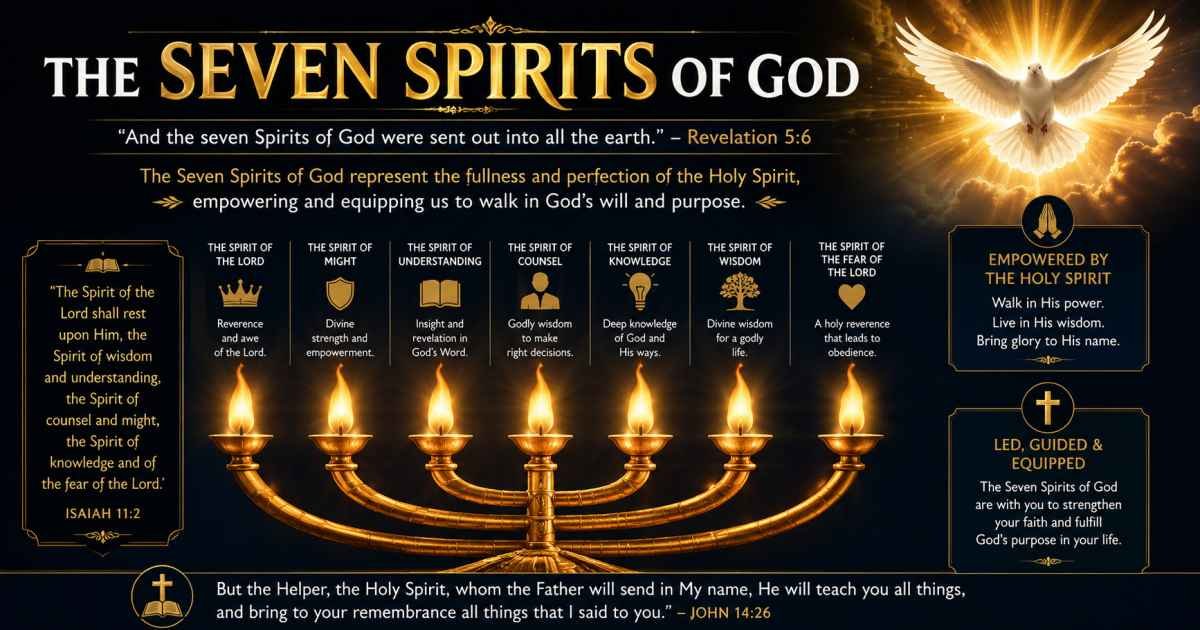
The Seven Spirits of God are among the most fascinating and often misunderstood concepts in the Bible. Mentioned several times in the Book of Revelation and connected to the prophecy of Isaiah 11, the phrase has inspired centuries of theological discussion and Bible study. In 2026, many Christians continue searching for the meaning of the Seven Spirits of God to better understand the nature of the Holy Spirit, God’s perfect wisdom, and His work in the lives of believers.

Contrary to what some may think, the Seven Spirits of God do not refer to seven different Holy Spirits. Instead, most Christian scholars interpret the phrase as a symbolic description of the fullness, perfection, and complete ministry of the one Holy Spirit. The number seven in the Bible frequently represents completeness, perfection, and divine fulfillment, making this interpretation consistent with biblical symbolism.

This comprehensive guide explains the biblical meaning of the Seven Spirits of God, the key Scriptures, major interpretations, and why this topic remains important for Christians today.


What Are the Seven Spirits of God?

The phrase “Seven Spirits of God” appears primarily in the Book of Revelation and is closely associated with God’s throne, Jesus Christ, and the Holy Spirit.

Many Bible scholars believe the expression symbolizes the perfect and complete work of the Holy Spirit rather than seven separate spiritual beings. Throughout Scripture, the number seven often represents:

  • Perfection
  • Wholeness
  • Completion
  • Divine fullness
  • God’s perfect work

Because of this symbolism, the Seven Spirits of God are commonly understood as describing the Holy Spirit in His complete power, wisdom, knowledge, and presence.

Other interpretations exist, particularly within different Christian traditions, but the symbolic view remains one of the most widely accepted.


Bible Verses About the Seven Spirits of God

The Bible mentions the Seven Spirits of God in several important passages, especially in Revelation.

Revelation 1:4

John writes:

“Grace and peace to you from him who is, and who was, and who is to come, and from the seven spirits before his throne.”

This introduction places the Seven Spirits before God’s heavenly throne, emphasizing their divine significance.

Revelation 3:1

Jesus says:

“These are the words of him who holds the seven spirits of God and the seven stars.”

This verse highlights Christ’s authority and His intimate relationship with the Holy Spirit.

Revelation 4:5

John describes:

“Seven lamps of fire were burning before the throne, which are the seven spirits of God.”

The imagery of seven burning lamps symbolizes God’s perfect light, holiness, and active presence.

Revelation 5:6

The Apostle John sees:

“The Lamb had seven horns and seven eyes, which are the seven spirits of God sent out into all the earth.”

This powerful vision portrays God’s complete knowledge, authority, and presence throughout creation.


Isaiah 11 and the Sevenfold Ministry of the Holy Spirit

Many Christians connect the Seven Spirits of God with Isaiah 11:2, a prophecy describing the coming Messiah.

The passage states:

“The Spirit of the Lord shall rest upon Him…”

It then lists qualities associated with the Holy Spirit:

  1. The Spirit of the Lord
  2. The Spirit of Wisdom
  3. The Spirit of Understanding
  4. The Spirit of Counsel
  5. The Spirit of Might
  6. The Spirit of Knowledge
  7. The Spirit of the Fear of the Lord

These seven descriptions are often called the sevenfold ministry of the Holy Spirit. Rather than describing different spirits, they reveal the many ways the one Holy Spirit works through Jesus Christ and within believers.

Each aspect highlights a distinct attribute:

  • Spirit of the Lord – God’s divine presence.
  • Wisdom – Making righteous decisions.
  • Understanding – Spiritual insight and discernment.
  • Counsel – Guidance and direction.
  • Might – Divine strength and power.
  • Knowledge – Knowing God’s truth.
  • Fear of the Lord – Reverence, worship, and obedience.

The Symbolic Meaning of the Number Seven

Understanding biblical symbolism helps explain why the number seven appears so frequently in Scripture.

Throughout the Bible, seven represents completion and perfection. Examples include:

  • Seven days of creation
  • Seven churches in Revelation
  • Seven seals
  • Seven trumpets
  • Seven bowls of judgment
  • Seven lampstands
  • Seven feasts of Israel

Because seven consistently symbolizes God’s perfect work, the Seven Spirits of God are widely understood as representing the complete ministry and fullness of the Holy Spirit.


Different Christian Interpretations

Although many believers agree that the Seven Spirits symbolize the Holy Spirit’s fullness, Christian traditions offer several perspectives.

Symbolic Interpretation

This is the most common view among evangelical, Protestant, and many biblical scholars. It understands the Seven Spirits as a symbolic picture of the Holy Spirit in His perfect completeness.

Isaiah 11 Interpretation

Many theologians connect the Seven Spirits directly with the seven characteristics described in Isaiah 11:2, seeing them as the Holy Spirit’s attributes revealed in the Messiah.

Heavenly Representation

Some scholars suggest the Seven Spirits emphasize God’s universal presence and activity throughout the earth rather than identifying separate spiritual beings.

Regardless of interpretive differences, mainstream Christianity teaches that there is one Holy Spirit, fully united with the Father and the Son within the doctrine of the Trinity.


Why the Seven Spirits of God Matter Today

Although the imagery comes from prophetic visions, the message remains deeply practical for Christians in 2026.

The Seven Spirits remind believers that God provides everything needed for faithful living:

  • Wisdom for difficult decisions.
  • Understanding when reading Scripture.
  • Counsel during life’s uncertainties.
  • Strength to overcome challenges.
  • Knowledge that deepens faith.
  • Reverence that leads to worship and obedience.
  • God’s continual presence through the Holy Spirit.

These truths encourage Christians to depend on God’s guidance rather than relying solely on human understanding.

The imagery also points to Jesus Christ, who perfectly embodied every aspect of the Holy Spirit’s work. As believers grow in their relationship with Him, they increasingly reflect these qualities in their own lives.


Common Misunderstandings About the Seven Spirits of God

Because the language in Revelation is highly symbolic, several misconceptions have developed over time.

Some people mistakenly believe there are seven separate Holy Spirits. However, the Bible consistently teaches the unity of the Holy Spirit as the third Person of the Trinity.

Others assume the Seven Spirits refer to angels. While Revelation contains many angelic beings, the context of passages such as Revelation 4:5 and Revelation 5:6 strongly associates the Seven Spirits with God’s own divine presence and activity.

Finally, it’s important to remember that the Book of Revelation uses vivid symbolism. Interpreting these images alongside the rest of Scripture—especially passages like Isaiah 11—helps provide a balanced understanding.

Final Thoughts

The Seven Spirits of God represent one of the Bible’s richest and most meaningful symbolic expressions. Found in the Book of Revelation and illuminated by the prophecy of Isaiah 11, they reveal the fullness, perfection, wisdom, power, and complete ministry of the Holy Spirit.

For Christians in 2026, this biblical concept offers more than theological insight. It serves as a reminder that God equips His people with wisdom, understanding, guidance, strength, knowledge, reverence, and His abiding presence. The recurring symbolism of the number seven points to God’s perfect work and His sovereign plan throughout history.

Whether you are studying Revelation, exploring the names and attributes of the Holy Spirit, or seeking spiritual growth, understanding the Seven Spirits of God provides a deeper appreciation of God’s character and His ongoing work in the lives of believers. By reading these passages in context and comparing them with the rest of Scripture, readers can gain a clearer understanding of this profound biblical theme and its lasting significance.

Continue Reading

life

What Is a Parable? : Meaning, Definition, Purpose, and Famous Biblical Examples

Published

on

What Is a Parable? : Meaning, Definition, Purpose, and Famous Biblical Examples

A parable is one of the most effective teaching methods found in the Bible. Throughout history, parables have helped people understand spiritual truths, moral lessons, and the nature of God’s Kingdom through simple, relatable stories. In 2026, interest in what is a parable continues to grow as people study Scripture, explore Christian teachings, and seek practical wisdom for everyday life.

Jesus Christ frequently used parables during His earthly ministry because they connected profound spiritual messages with ordinary experiences such as farming, fishing, family relationships, business, and travel. These stories remain timeless because they speak to people across cultures and generations.

In this complete guide, you’ll discover what a parable is, why Jesus used parables, how they differ from other forms of storytelling, and some of the most well-known biblical examples.


What Is a Parable?

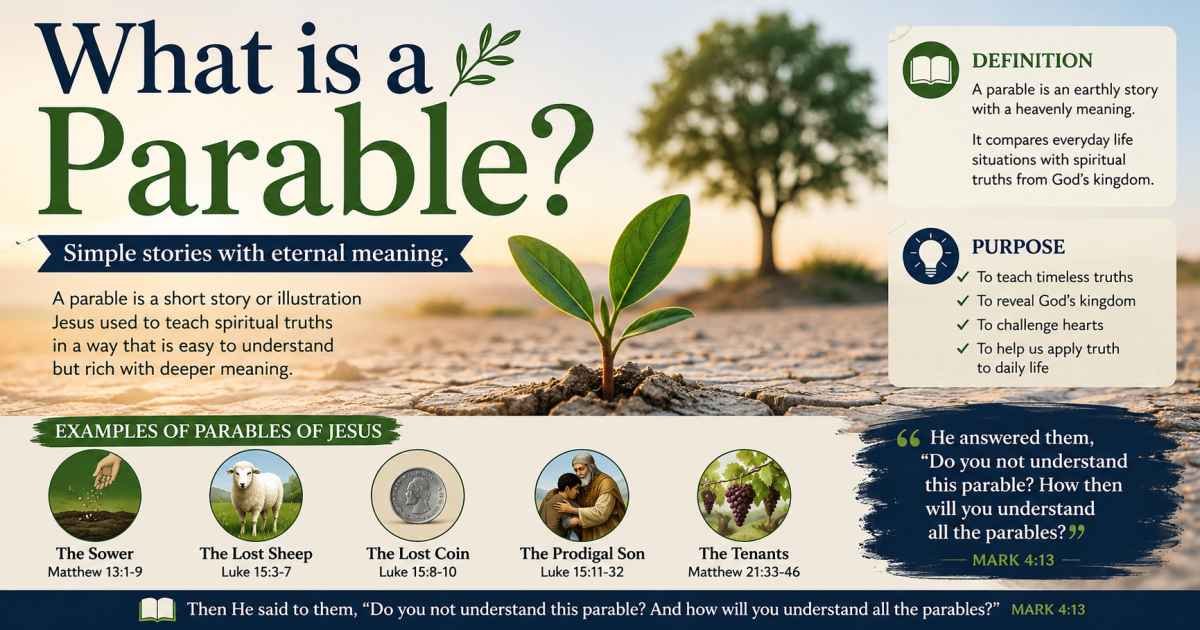
A parable is a short, meaningful story that uses familiar people, situations, or events to teach a spiritual, moral, or ethical lesson. The word comes from the Greek term “parabolē,” meaning comparison, illustration, or placing one thing beside another.

Unlike fictional stories created purely for entertainment, parables are designed to communicate deeper truths about:

  • God’s Kingdom
  • Faith
  • Forgiveness
  • Love
  • Repentance
  • Mercy
  • Obedience
  • Humility
  • Compassion
  • Eternal life

Although the characters and situations are often ordinary, every parable points toward a greater spiritual reality.


Why Did Jesus Teach Using Parables?

Jesus taught with parables because they were memorable, engaging, and easy for listeners to relate to. Instead of delivering abstract lectures, He used examples from daily life that His audience already understood.

The Bible reveals several reasons why Jesus spoke in parables.

To Make Spiritual Truths Understandable

People could easily visualize farmers planting seeds, shepherds caring for sheep, merchants buying pearls, or fathers welcoming children home. These familiar images helped explain complex spiritual principles.

To Encourage Reflection

Parables often required listeners to think carefully rather than simply accept information at face value. They invited people to examine their own hearts and attitudes.

To Reveal Truth to Those Seeking God

Jesus explained that sincere seekers would understand the deeper meaning of His teachings, while those who rejected God’s message might only hear the surface story.

To Create Lasting Lessons

Stories are easier to remember than long explanations. Even today, many of Jesus’ parables remain among the most recognized teachings in history.


Characteristics of a Biblical Parable

Most biblical parables share several common features that distinguish them from other literary forms.

Simple and Relatable

Parables use everyday situations involving ordinary people, making them accessible to audiences of all backgrounds.

One Central Lesson

While some parables contain several insights, most focus on one primary spiritual truth rather than numerous hidden meanings.

Symbolic Elements

Characters or events often represent larger spiritual realities. For example, a shepherd may symbolize God’s care, while a seed may represent God’s Word.

Call to Action

Parables encourage listeners not only to understand truth but also to apply it through faith, obedience, forgiveness, or compassion.


Famous Parables in the Bible

The Gospels contain dozens of parables taught by Jesus. Here are some of the best-known examples and the lessons they convey.

The Parable of the Good Samaritan

This story teaches that love for others extends beyond social, cultural, and religious boundaries. True compassion is demonstrated through action.

The Parable of the Prodigal Son

One of the Bible’s most beloved stories, it highlights God’s forgiveness, mercy, and unconditional love for those who sincerely repent and return to Him.

The Parable of the Sower

Jesus compares different types of soil to different responses people have toward God’s Word, emphasizing the importance of a receptive heart.

The Parable of the Mustard Seed

Although a mustard seed begins very small, it grows into a large plant. This illustrates how God’s Kingdom can begin in humble ways yet have extraordinary impact.

The Parable of the Lost Sheep

This parable reveals God’s deep love for every individual and His desire to seek and restore those who have wandered away.

The Parable of the Ten Virgins

This story teaches the importance of spiritual readiness, faithfulness, and preparing for Christ’s return.

The Parable of the Talents

Jesus encourages believers to faithfully use the gifts, abilities, and opportunities God has entrusted to them.


Parables Compared With Other Biblical Teaching Methods

The Bible uses several forms of communication, but each serves a different purpose.

Teaching MethodPurposeExample
ParableTeaches spiritual truth through a relatable storyThe Good Samaritan
MiracleDemonstrates God’s powerHealing the blind
ProverbOffers practical wisdomProverbs of Solomon
ProphecyDeclares God’s message about future events or repentanceIsaiah’s prophecies
AllegoryUses extended symbolism throughout a passageThe Vine and the Branches

Understanding these differences helps readers interpret Scripture more accurately.


How to Understand a Parable Correctly

Because parables are rich with symbolism, careful reading is important.

Here are several helpful principles:

Consider the Context

Read the verses before and after the parable. Understanding the audience, setting, and surrounding events often clarifies the lesson.

Identify the Main Message

Most parables emphasize one central truth. Avoid assigning symbolic meaning to every minor detail unless the Bible itself explains it.

Compare With Other Scriptures

Many biblical themes appear throughout the Old and New Testaments. Comparing related passages can deepen understanding.

Apply the Lesson Personally

Parables are meant to transform lives. Ask how the teaching affects your own faith, relationships, and daily decisions.

Study Jesus’ Explanations

In several cases, such as the Parable of the Sower, Jesus explains the meaning Himself, providing a model for interpreting other parables.


Why Parables Still Matter in 2026

Even after nearly two thousand years, Jesus’ parables remain remarkably relevant. Modern readers continue to find guidance in these stories because they address universal human experiences such as forgiveness, generosity, pride, justice, faith, and hope.

In today’s fast-paced digital world, parables remind us that timeless truths can be communicated through simple stories. They encourage believers to examine their hearts, care for others, trust God, and live according to His Kingdom values.

Whether read during personal Bible study, discussed in church groups, or taught to children, parables continue to inspire spiritual growth and practical wisdom. They also provide valuable insights into God’s character, revealing His compassion, patience, justice, and desire for people to know Him.

Final Thoughts

So, what is a parable? Simply put, it is a short story with a profound spiritual lesson. Throughout the Gospels, Jesus used parables to reveal the truths of God’s Kingdom, challenge people’s thinking, and invite them into a deeper relationship with God.

From the Good Samaritan and the Prodigal Son to the Sower and the Mustard Seed, these stories continue to teach lessons about love, forgiveness, faith, humility, obedience, and hope. Their simple language and powerful messages make them some of the most enduring teachings in history.

In 2026, studying biblical parables remains one of the best ways to grow in biblical understanding and spiritual maturity. By reading them in context, reflecting on their central message, and applying their lessons in everyday life, believers can gain timeless wisdom that continues to shape faith, character, and relationships for generations to come.

Continue Reading

life

A City in Mourning: The Marketta Phillips Case and the Fragile Trust We Place in Caregivers

Published

on

marketta phillips

.The Marketta Phillips Case and the Fragile Trust We Place in Caregivers

A 3-year-old girl, Journei Ross—described by her mother as a bright child who could “light up a room”—was stabbed to death while in the care of a babysitter she likely knew and trusted . The woman accused of this heinous act, 41-year-old Marketta Phillips, was not merely a hired stranger but a figure deeply entangled in the victim’s family dynamic, described as a roommate and on-and-off girlfriend of the child’s father .

The Night of the Attack

On the night of March 25, Jeremy Ross, Journei’s father, entrusted his daughter to Marketta Phillips while he went to work his night shift . Ross later stated that Phillips had watched Journei “numerous times” in the past, leading him to believe there was no immediate cause for concern . However, what unfolded in the early hours of the following morning was nothing short of a nightmare In a frantic 911 call, Ross could be heard screaming at Phillips, “You murdered my baby!” . He was immediately placed on the phone with dispatchers as he attempted to perform chest compressions on his dying daughter, but it was too late 

The Disturbing Evidence

As investigators processed the crime scene, they uncovered details that painted a chilling portrait of the attack. The Clark County Coroner’s Office ruled Journei’s death a homicide, concluding that she had been stabbed at least ten times in her torso, legs, and neck . The sheer brutality of the assault shocked even seasoned detectives, particularly given the victim’s age and disability. Court documents reveal that Journei, who was nonverbal and autistic, was entirely defenseless against her attacker .

Beyond the physical violence, investigators discovered two particularly disturbing pieces of evidence that suggested a motive rooted in vindictive rage . They recovered a handwritten note that read: “Now we both have nothing.” Even more chilling, they discovered a message scrawled on the bedroom wall in blood: “Everybody who played me is cursed” .

When detectives interrogated Phillips, she reportedly admitted to stabbing the toddler, stating that she “snapped” and committed the act “to get back at him” .

The Aftermath and Legal Proceedings

Marketta Phillips was swiftly arrested and booked into the Clark County Detention Center on charges of Open Murder with a Deadly Weapon . The legal case has since continued to develop. In a significant ruling in July 2025, a local judge found Phillips competent to stand trial . An analysis presented during a virtual hearing indicated that while Phillips was responding well to treatment, she still exhibited other mental health issues .

Her mother, Phalan Whitson, who shares custody with Ross, expressed utter shock, telling reporters, “I didn’t know this woman. Today was literally the first day I’ve ever seen this woman in my life” . She described her daughter as “full of laughter” and “always a happy baby” .

Conclusion

The case of Marketta Phillips and the tragic murder of three-year-old Journei Ross serves as a somber reminder of the devastating consequences when trust is betrayed in the most intimate settings. It is a story that has captivated Las Vegas and the nation, not just for its brutality, but because it touches on universal anxieties about the safety of our children. As the legal process moves forward, with Phillips awaiting trial and her competency to stand trial having been established, the focus will increasingly turn to the pursuit of justice .


Frequently Asked Questions (FAQ)

Who is Marketta Phillips?
>>>>>>>>>>>>>>>>>>>>>>>>>>>>>>>>>>>>>>>>>>Marketta Phillips is a 41-year-old Las Vegas woman who was arrested and charged with open murder with a deadly weapon in the death of 3-year-old Journei Ross “”>. She had babysat the child on numerous occasions in the past .

What happened to 3-year-old Journei Ross?
On March 26, 2025, Journei Ross was found dead in her Las Vegas apartment after being stabbed multiple times. The medical examiner reported she suffered at least 10 stab wounds to her torso, legs, and neck. She was pronounced dead at a local hospital. Court documents reveal she was a nonverbal child with autism .

What was the motive behind the stabbing?
>>>>>>>>>>>>>>>>>>>>>>>>>>>>>>>>>>>>>>>According to police reports, Marketta Phillips told investigators that she “snapped” and stabbed the child “to get back at him,” referring to the child’s father, Jeremy Ross, with whom she had an on-and-off romantic relationship. The messages left at the scene suggest the act was one of revenge against Ross .

What is the current status of the legal case?
Marketta Phillips is currently being held at the Clark County Detention Center without bail. In a July 2025 hearing, a local judge found her competent to stand trial, which allowed the case to proceed. She faces an open murder charge with a deadly weapon .

Continue Reading

Trending