
Health
Shivering Fever: Unraveling the Body’s Alarm System

Published
2 months agoon

Table of Contents
ToggleIntroduction
That unsettling experience begins with a creeping chill that seems to emanate from within, a coldness that no amount of blankets can dispel. Moments later, your muscles begin to contract and relax in rapid, uncontrollable succession—you are shivering. Yet, paradoxically, your forehead feels hot, and a thermometer confirms what your body already knows: you have a fever. This is the enigma of the shivering fever, a profound physiological response that often signals your body’s valiant fight against infection. This article delves deep into the science behind this common yet often misunderstood symptom, exploring why our bodies deploy such a dramatic reaction when we are ill. We will dissect the biological mechanisms at play, from the brain’s internal thermostat to the muscle contractions that generate heat, and provide a comprehensive guide to managing this uncomfortable experience. By understanding the “why” behind the shakes, you can better recognize when to treat your symptoms at home and when to seek professional medical attention.
Why Do We Get a Fever and Shiver? The Science of the Chill
To understand shivering with a fever, we must first look to the brain, specifically a small region called the hypothalamus. This area functions as the body’s internal thermostat, meticulously regulating our core temperature around a normal set point of approximately 98.6°F (37°C). When an infection invades the body, the immune system launches a counter-attack. It releases chemicals called pyrogens, which travel to the hypothalamus and effectively “reset” the thermostat to a higher temperature. This elevation is a deliberate, strategic move; a higher body temperature creates a less hospitable environment for many viruses and bacteria, and also accelerates the activity of immune cells to more effectively combat the invader.
The moment this new, higher temperature set point is established, the body perceives its current temperature as being too low. To bridge this gap and reach the new target, it initiates a series of warming mechanisms. These include peripheral vasoconstriction, where blood vessels near the skin’s surface narrow to reduce heat loss, causing pale skin and a sensation of cold. Most notably, the body triggers shivering, a process where muscles rapidly contract and relax. This involuntary, rapid muscle activity is highly effective at generating heat, helping to raise the core body temperature to the new, elevated set point. This entire process, from the immune system’s signal to the brain’s reset and the resulting chill, culminates in the shivering sensation we experience at the onset of a fever.
The Stages of a Fever: From Shivers to Sweats
A fever is not a static event; it is a dynamic process that typically unfolds in a distinct three-stage cycle. Understanding these stages can demystify the experience and help you manage it effectively.
Stage 1: The Chill Phase (Why You Shiver)
This is the stage where the shivering occurs. As soon as the hypothalamus raises its temperature set point, you feel cold. To generate the necessary heat and reach the new goal, your body triggers rapid muscle contractions. This is why you might pile on blankets, experience teeth chattering, and have goosebumps, even as your core temperature is actually rising. It is a crucial step to prepare the body for the fight ahead.
Stage 2: The Plateau (The High Temperature Hold)
Once your body reaches the new, higher temperature set by the hypothalamus, the shivering typically stops. During this plateau phase, you will feel hot and flushed, and your temperature will remain steadily elevated. This is the “fever” phase, where the body’s defenses are at their peak. The environment is now optimized to hinder the reproduction of pathogens and boost immune cell activity. This is the stage where resting and managing the temperature becomes paramount.
Stage 3: The Crisis (The Sweaty Breakdown)
After the immune system has gained the upper hand against the infection, or if you take a fever-reducing medication like acetaminophen or ibuprofen, the hypothalamus resets its thermostat back to normal. Suddenly, your current elevated body temperature is too high for the new set point. To cool down, the body activates its cooling mechanisms, most notably through sweating. As sweat evaporates from the skin, it carries heat away, which is why a “fever breaking” sweat is often a sign that the infection is subsiding and the fever is breaking.
Common Causes of Shivering Fever
While a shivering fever is most commonly associated with infections, a wide range of conditions can trigger this response. Identifying the underlying cause is key to determining the appropriate course of action.
Infections: The Most Common Culprit
The vast majority of shivering fevers are caused by viral or bacterial infections. Common viral infections include the flu, COVID-19, and other respiratory illnesses. Bacterial infections often present with more severe fevers and may include conditions like strep throat, pneumonia, urinary tract infections (UTIs), and more serious conditions such as meningitis. In these cases, the fever and shivering are signs that the immune system is actively fighting off the pathogen. A rigor, defined as a severe episode of shaking and exaggerated shivering with a high fever, is often a marker of a significant, sometimes serious, bacterial infection and should not be ignored.
Other Potential Causes
Though less frequent, other medical issues can also cause shivering with a fever. These include:
Heat Exhaustion: Paradoxically, some heat-related illnesses can cause a mild fever and chills.
Medication Side Effects: Certain drugs, such as some antibiotics or blood pressure medications, can cause fevers and chills as a side effect.
Inflammatory Conditions: Autoimmune diseases like lupus or rheumatoid arthritis involve chronic inflammation that can lead to recurring fevers and chills.
Post-Surgery Reaction: Some people experience shivering and a mild fever as their body reacts to anesthesia and the stress of surgery.
How to Stop Shivering Fever: Home Remedies and Treatment
When you are struck with a shivering fever, the goal is to manage the symptoms while supporting your body’s natural healing process. The approach to treatment depends on the severity of the fever and the presence of any other concerning symptoms.
Managing a Mild to Moderate Fever (Under 102°F)
For a mild fever, rest and hydration are often the best medicine. Your body is expending significant energy to fight the infection, so adequate rest is crucial for recovery. Drink plenty of fluids, such as water and clear broths, to prevent dehydration, which can exacerbate symptoms. To help manage discomfort, you can take over-the-counter fever reducers like acetaminophen (Tylenol) or ibuprofen (Advil, Motrin). It’s a common misconception to bundle up under heavy blankets during this phase; doing so can trap heat and raise your body temperature even further, potentially making chills worse. Instead, dress in light layers or use a light sheet to stay comfortable without overheating. A lukewarm sponge bath can also help to gently lower your temperature, but avoid using cold water or ice, as this can induce more shivering.
When to See a Doctor
While most fevers are harmless and resolve on their own, there are definitive signs that indicate the need for medical attention. You should contact a doctor immediately if:
For Infants (under 3 months): A rectal temperature of 100.4°F (38°C) or higher requires emergency medical care.
For Older Children and Adults:
A fever that reaches 103°F (39.4°C) or higher, especially if it doesn’t go down with medication.
A fever that lasts for more than three days without improvement.
The presence of severe symptoms accompanying the fever, such as a stiff neck, severe headache, confusion, difficulty breathing, chest pain, or severe abdominal pain.
Any fever in a child between 3 and 24 months old that lasts for more than a day.
These warning signs may indicate a more serious infection or complication that requires prompt professional diagnosis and treatment.
Conclusion
The experience of shivering with a fever is a testament to the remarkable complexity and resilience of the human body. It is a sign of a biological battle being waged within, a calculated response to infection orchestrated by the brain to protect the body’s vital systems. While the sensation of being simultaneously hot and cold is profoundly uncomfortable, it is important to understand that it represents the body’s active effort to heal itself. This article has explored the intricate science behind this reaction, from the hypothalamus’s resetting of the body’s thermostat to the deliberate muscular contractions that generate heat. By recognizing the three stages of a fever and understanding the common causes, you can navigate this common ailment with greater clarity. Whether you are managing a mild fever at home with rest and fluids or seeking medical attention for a high or persistent fever, the key is to listen to your body’s signals. Knowledge of the “shivering fever” is not just about understanding a symptom; it is about appreciating the powerful defense mechanism that is central to your health and well-being.
Frequently Asked Questions (FAQ)
Q1: What is the main reason we shiver when we have a fever?
The primary reason for shivering during a fever is to generate heat and raise your core body temperature to a new, higher set point determined by the brain’s hypothalamus. The body uses shivering, a process of rapid muscle contraction, as an efficient way to produce warmth.
Q2: Is it dangerous to have a high fever with shivering?
Not necessarily. The shivering response is a healthy part of the fever process. However, a very high fever (over 103°F in adults) can be dangerous. If your fever is this high, does not respond to medication, or is accompanied by severe symptoms like confusion or a stiff neck, you should seek medical attention.
Q3: Is it better to bundle up to stop shivering from a fever?
No, you should not bundle up under heavy blankets if you have a fever. While you may feel cold, blankets can trap heat and raise your body temperature even further, potentially making your fever worse. Dress in light layers or use a light sheet.
Q4: Can you have a fever without shivering?
Yes, it is possible to have a fever without shivering. This can occur with certain conditions like heat exhaustion, from some medications, or due to certain inflammatory conditions where the fever develops without the classic “chill” phase.
Q5: What is the difference between chills and a rigor?
Chills are a general feeling of coldness accompanied by shivering. A rigor is a more severe episode of violent, exaggerated shivering and shaking that typically occurs with a very high fever and can be a sign of a serious bacterial infection.
You may like
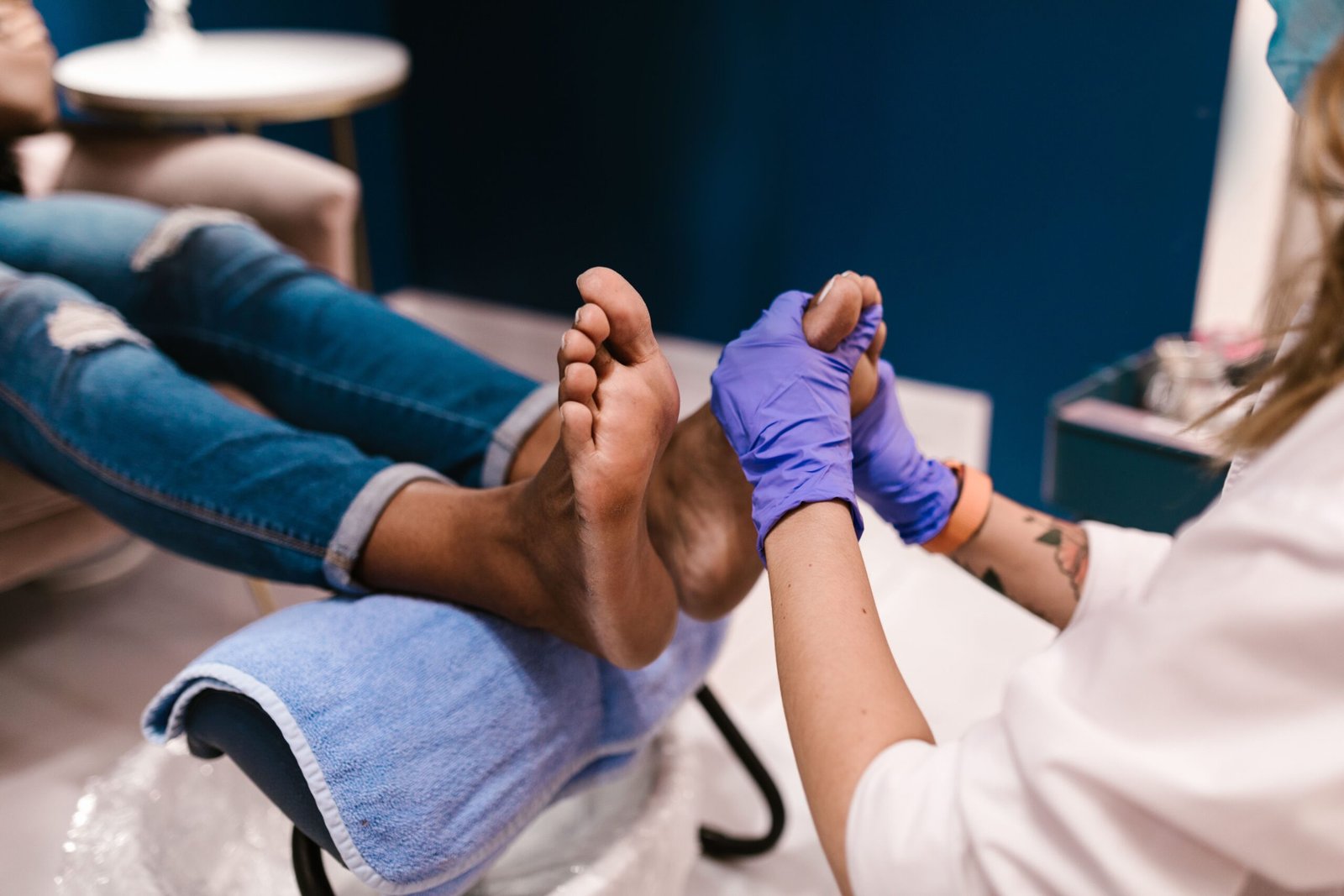
Table of Contents
TogglePurple Foot: Causes, Treatment, and When to Seek Help
Have you ever looked down at your feet and noticed an unusual purple or blueish discoloration? While it might be easy to dismiss as a minor concern, purple feet can be a visible sign that something is affecting the circulation in your lower extremities. This condition, often referred to medically as cyanosis of the feet, occurs when there is a reduction in the amount of oxygen-rich blood reaching the tissues in your feet. The discoloration can range from a subtle bluish tint to a pronounced deep purple, and it can be a temporary response to cold or a symptom of an underlying health issue that requires professional attention. Understanding the potential causes, from benign conditions like acrocyanosis to more serious vascular diseases, is the first step in determining the right course of action. This article will explore the various reasons why feet might turn purple, the symptoms that accompany different conditions, and the most effective treatment options available to help restore healthy circulation and foot color.
What Does a Purple Foot Indicate?
When the skin on your feet takes on a purple or blue hue, it is typically a sign that the blood flow to the area is compromised. In healthy circulation, arteries carry bright red, oxygenated blood from the heart to the feet. As this blood travels through the tiny capillaries, it delivers oxygen to the tissues. It can also be accompanied by other sensations, including coldness, numbness, tingling, or pain. While a purple foot is not always a sign of a life-threatening emergency, it is a symptom that should never be ignored, as it can be an early warning sign of conditions that, if left untreated, could lead to serious complications like ulcers, infections, or even tissue death .
Common Causes of Purple Feet
There are numerous reasons why your feet might turn purple. These can range from simple, temporary issues to more chronic medical conditions. Some of the most frequently cited causes include poor circulation, injuries, and specific vascular disorders .
Peripheral Artery Disease
Peripheral artery disease (PAD) is one of the most common and serious causes of purple feet, particularly in older adults. This condition occurs when the arteries that carry blood to the legs and feet become narrowed or blocked by a buildup of fatty plaques, a process known as atherosclerosis . This narrowing restricts blood flow, leading to a lack of oxygen in the foot tissues. In addition to discoloration, which can range from purplish to black in severe cases, symptoms of PAD often include leg pain or cramping that starts with walking and improves with rest, a feeling of coldness in the feet compared to the other leg, and skin that appears shiny or hairless . PAD is a serious condition that increases the risk of heart attack and stroke, so medical evaluation is critical . Risk factors for PAD include smoking, diabetes, high blood pressure, and high cholesterol .
Acrocyanosis
Acrocyanosis is a vascular condition characterized by persistent, painless bluish or purple discoloration of the extremities, most commonly the hands and feet . It is often triggered by cold temperatures or emotional stress, which cause the small blood vessels just below the skin’s surface to constrict or spasm . Unlike some other conditions, acrocyanosis is typically continuous and not associated with significant pain. The purple color is often more noticeable on the toes and the soles of the feet. In many cases, treatment is not required, but staying warm and avoiding cold exposure can help reduce episodes. Doctors may prescribe calcium channel blockers to help keep blood vessels open in more pronounced cases .
Raynaud’s Phenomenon
Raynaud’s phenomenon is a condition similar to acrocyanosis, where blood vessels in the fingers and toes overreact to cold temperatures or stress. This triggers a sudden narrowing of the arteries, known as a vasospasm, which temporarily blocks blood flow .Diabetes-Related Circulation Problems
Diabetes can have a profound impact on the feet, primarily through two mechanisms: nerve damage and reduced circulation. High blood sugar levels over time can damage the walls of the arteries, making them narrow and stiff, a condition known as peripheral artery disease . This reduces blood flow to the feet, which can cause them to turn blue, purple, or gray . Diabetes also damages nerves, leading to a loss of sensation. For diabetics, regular foot checks for any discoloration, breaks in the skin, or areas of pain are crucial . If a diabetic notices a sudden change in foot color to pale, purple, or black, it should be considered a medical emergency requiring immediate attention .
Foot Injuries
Sometimes, the cause of a purple foot is much simpler and more obvious: an injury. Trauma, such as a sprain, a strain, or even dropping a heavy object on the foot, can cause bruising . Bruising occurs when small blood vessels under the skin break, leaking blood into the surrounding tissues, which appears as a black, blue, or purple mark. This type of discoloration is usually accompanied by pain and swelling. In most cases, minor injuries can be treated at home with the RICE method: Rest, Ice, Compression, and Elevation . However, if pain is severe or you suspect a fracture, it’s important to see a doctor for an X-ray and proper treatment.
“COVID Toes” and Chilblains
More recently, a condition known as “COVID toes” has been identified, especially in children and young adults.The occurrence of these lesions during warmer seasons and in typically unaffected populations led researchers to link them to COVID-19 . Treatment for COVID toes is often supportive, with topical steroids used for painful lesions .
Other Potential Causes
Several other conditions can also lead to purple feet.Certain medications, such as some chemotherapy drugs or anticoagulants, can have a side effect of causing purple discoloration .
Treatment and Management Strategies
The approach to treating purple feet is entirely dependent on the underlying cause.When to See a Doctor
Prompt diagnosis and treatment are key to preventing complications and ensuring the long-term health of your feet.
Conclusion
A purple foot is a symptom that can be alarming, but understanding its potential causes is the first step toward effective management.Therefore, it is crucial not to ignore persistent or recurring purple feet.
Frequently Asked Questions (FAQ)
Q1: Can a purple foot be a sign of a serious health problem?
Yes, in many cases, a purple foot is a sign that not enough oxygen-rich blood is reaching the area.It is always best to have it checked by a doctor.
Q2: My feet turn purple only in the shower or when I stand for a long time. Why is that?
The discoloration is usually temporary and resolves when you elevate your feet and the blood drains back toward the heart . If it persists or becomes painful, you should still consult a doctor.
Q3: What is the difference between Raynaud’s and acrocyanosis?
Both conditions can cause purple or blue skin. Acrocyanosis usually involves a more persistent, painless discoloration that is not broken up into episodes .
Q4: Are purple feet a common symptom of COVID-19?
Yes, a condition referred to as “COVID toes” has been observed, particularly in younger patients.Unlike the severe clotting seen in critically ill patients, these lesions are usually mild and resolve on their own .</p>

1998 Toyota Celica: Complete Guide to Specs, Features, Performance and Reliability

Warehouse DMB: A Complete Guide to Warehouse Management and Distribution

Zoozoo Tube: A Complete Guide to Online Video Entertainment

Kinervus: Everything You Need to Know About the Emerging Concept in Rehabilitation, Technology, and Digital Innovation

ReadMyManga com: Features, Safety, Legal Risks, and Everything You Need to Know in 2026

Danielle Vangar: The Private Woman Behind a Publicly Known Name
Trending
 Tech3 months ago
Kinervus: Everything You Need to Know About the Emerging Concept in Rehabilitation, Technology, and Digital Innovation
- Tech3 months ago
ReadMyManga com: Features, Safety, Legal Risks, and Everything You Need to Know in 2026
- Lifestyle3 months ago
Danielle Vangar: The Private Woman Behind a Publicly Known Name
- Fashion3 months ago
Carey Salley: The Private Life Behind a Hollywood Connection
- Entertainment3 months ago
Pele Velentina: The Rise of a New Musical Artist and Daughter of Lisa Kennedy Montgomery
- Tech2 months ago
Bilieter : The Complete Guide to Meaning, Uses, Features, and Why It Is Gaining Attention
- Business2 months ago
The Many Faces of Ori Solomon: From Corporate Law to the Las Vegas Biolab Case and Beyond
- Tech3 months ago
Kaliscan: The Ultimate Guide to Understanding Its Features, Risks, and Potential