
Food
Prosecchini: The Ultimate Guide to Mini Prosecco, Tiny Pasta, and Italian Art

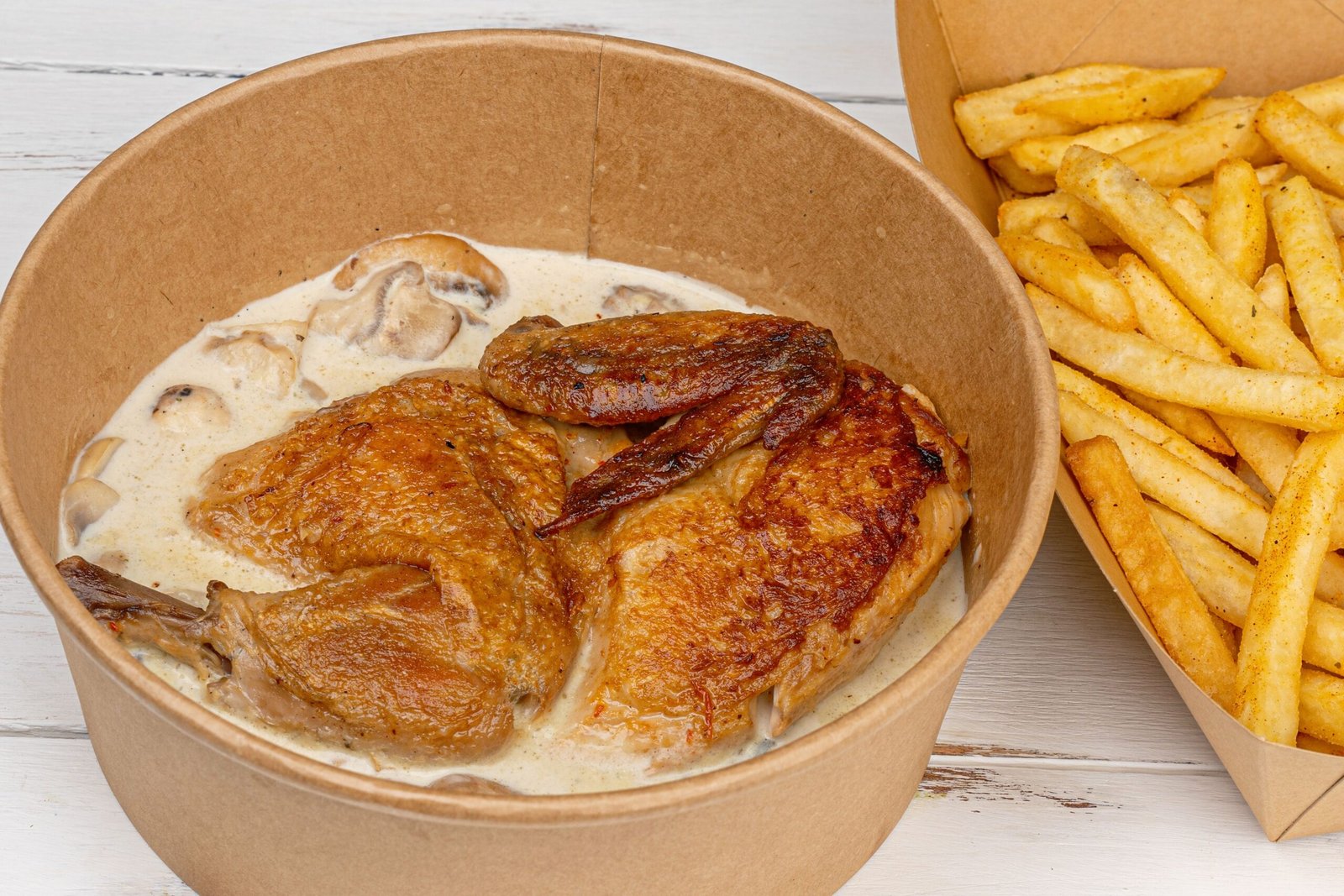
If you are searching for the best pollo al champignon near me, chances are you are looking for more than an ordinary chicken dinner. Pollo al champignon is a comforting dish that brings together tender chicken, earthy mushrooms, aromatic herbs, and a rich sauce that can turn simple ingredients into a satisfying restaurant meal. The exact preparation varies from one kitchen to another, but many versions combine chicken with mushrooms, onions or leeks, stock, cream, herbs, and sometimes white wine. A traditional Argentine preparation, for example, uses mushrooms with onion, leek, white wine, chicken stock, cream, thyme, and bay leaf.
When people type best pollo al champignon near me into a search engine, they usually have strong local dining intent. They want to discover a restaurant nearby, compare available dishes, find a flavorful chicken and mushroom meal, or decide where to order dinner. That makes this keyword especially useful for a local food guide because it allows you to discuss both the dish itself and the practical factors that help diners choose a good restaurant. Whether you prefer a creamy sauce, a lighter mushroom preparation, a generous portion, or a plate served with potatoes, rice, pasta, or bread, knowing what to look for can make your restaurant search much easier.
What Is Pollo al Champignon?
Pollo al champignon is essentially chicken prepared with champignon mushrooms, usually in a savory sauce. The name is commonly associated with chicken and mushrooms, while restaurant versions can differ considerably depending on the chef and culinary tradition. Some preparations emphasize cream and butter for a rich and silky sauce, while others use wine, stock, garlic, herbs, or vegetables to create more depth without making the dish excessively heavy. The combination works particularly well because chicken has a relatively mild flavor that allows the earthy character of mushrooms and the richness of the sauce to become the centerpiece of the meal.
A well-prepared pollo al champignon should have balance rather than simply being covered in a thick sauce. The chicken should remain tender and flavorful, while the mushrooms should retain enough texture and character to be noticeable in every bite. The sauce should complement the chicken instead of overwhelming it, with seasoning and acidity helping to keep the dish from becoming too rich. Some established recipes cook the mushrooms separately until browned before combining them with the chicken and sauce, which can help develop deeper mushroom flavor.
Why People Search for the Best Pollo al Champignon Near Me
The search phrase best pollo al champignon near me reflects a desire for convenience as well as quality. When someone searches this phrase, they may already know exactly what dish they want but need help finding a restaurant that prepares it well. Unlike a general search for restaurants, this keyword communicates a specific food preference, which means the ideal result should help the reader understand what makes the dish good, where they might find it, and how to evaluate different restaurants before ordering.
Local restaurant searches can also be influenced by dining style, price, location, atmosphere, delivery availability, and portion size. A casual restaurant may offer a straightforward chicken-and-mushroom plate, while a continental or Italian-inspired restaurant may present a more elaborate version with a carefully prepared sauce and complementary side dishes. Because recipes and menus change, diners should check the restaurant’s current menu before visiting or ordering rather than assuming that every establishment described as Italian, continental, or European serves pollo al champignon.
What Makes the Best Pollo al Champignon?
The most important factor when searching for the best pollo al champignon near me is the quality of the chicken. Even an excellent mushroom sauce cannot completely rescue chicken that has been overcooked and become dry or tough. A good preparation should leave the chicken tender enough to cut easily while still retaining its natural flavor. Whether a restaurant uses chicken breast, thigh, or another cut, careful cooking is essential because the meat needs to work harmoniously with the sauce rather than becoming lost beneath it.
Fresh mushrooms are equally important. Mushrooms provide the earthy, savory foundation of pollo al champignon, so their quality can have a noticeable effect on the finished dish. Ideally, the mushrooms should have a pleasant texture and a developed flavor rather than tasting watery or bland. Proper browning can add additional depth, and some recipes specifically instruct cooks to brown sliced mushrooms before incorporating them into the rest of the preparation. When looking for the best chicken with mushroom sauce near me, paying attention to the mushroom flavor is therefore just as important as judging the chicken.
The Importance of the Mushroom Sauce
The sauce is arguably the defining feature of a great pollo al champignon. A creamy mushroom sauce should feel smooth and rich without becoming excessively greasy or overwhelmingly thick. Cream can provide body, while chicken stock can contribute savory depth and wine can introduce acidity and complexity. Herbs such as thyme can add a subtle aromatic note that works especially well with mushrooms and poultry. Traditional preparations demonstrate how these ingredients can be combined to create a sauce that is rich while still having several layers of flavor.
When searching for the best pollo al champignon near me, consider whether the restaurant’s version sounds freshly prepared rather than simply being chicken covered with a generic cream sauce. Descriptions mentioning sautéed mushrooms, herbs, stock, garlic, wine, or house-made sauce can provide useful clues, although the final judgment should always come from the actual food. A flavorful sauce should enhance the chicken and mushrooms while allowing the individual ingredients to remain recognizable.
Best Side Dishes for Pollo al Champignon
One reason pollo al champignon works so well as a restaurant meal is that it pairs naturally with many different side dishes. Potatoes are a particularly popular choice because they provide a simple base for the creamy mushroom sauce. Some preparations use Spanish-style potatoes or potato wedges, while others serve the chicken with mashed potatoes, roasted potatoes, or small potato preparations. A traditional Argentine recipe specifically pairs pollo al champignon with parsley potatoes, demonstrating how potatoes can complement the rich chicken and mushroom sauce.
Rice is another excellent accompaniment, particularly when the sauce is generous. The rice absorbs the mushroom sauce and gives the meal a satisfying texture without introducing another strong flavor. Pasta, vegetables, salad, or crusty bread can also work well depending on the restaurant’s culinary style. If you are trying to find the best chicken mushroom dish near me, look beyond the main protein and consider the complete plate. A well-balanced side can make an already enjoyable dish significantly more satisfying.
How to Find the Best Pollo al Champignon Near Me
The easiest way to find the best pollo al champignon near me is to combine online restaurant searches with careful menu checking. Start by searching the exact dish name, then broaden your search using related terms such as pollo con champiñones, chicken with mushroom sauce, creamy mushroom chicken, chicken and mushrooms, and mushroom chicken dinner. Different restaurants may use different names for similar dishes, so expanding your search vocabulary can help you discover options that would otherwise be missed.
Once you find potential restaurants, check their current menus and recent customer feedback. Look for descriptions that clearly mention chicken and mushrooms rather than relying solely on a restaurant’s cuisine category. If the dish is particularly important to your dining plans, calling the restaurant before visiting can also be useful because menu availability may change. This is especially important for local searches because a restaurant may have previously offered pollo al champignon but no longer carry it.
What to Check Before Ordering
Before ordering the best pollo al champignon near me, consider the preparation style, portion size, accompanying sides, and sauce. If you enjoy rich food, a cream-based mushroom sauce may be ideal, while diners who prefer lighter meals might want to look for a preparation that relies more heavily on stock, herbs, and mushrooms. It is also worth checking whether the dish comes with potatoes, rice, vegetables, pasta, or bread because the side can significantly affect the overall value and portion of the meal.
Dietary preferences are another practical consideration. Some recipes use cream, butter, flour, wine, or other ingredients that may matter to certain diners. If you have an allergy or specific dietary requirement, do not rely on the dish name alone. Ask the restaurant about the ingredients and preparation method before ordering. This simple step can help you enjoy your meal while avoiding unwanted ingredients.
Pollo al Champignon Near Me for a Casual Dinner
Pollo al champignon can be an excellent choice for a casual dinner because it feels more special than a basic grilled chicken dish while remaining familiar and approachable. The creamy mushroom sauce gives the meal a comforting quality, and the combination of chicken, mushrooms, and a substantial side dish can make it filling without requiring an elaborate dining occasion. This makes it suitable for everything from a relaxed family dinner to an evening meal with friends.
If you are searching for the best pollo al champignon near me for a casual outing, consider restaurants where the menu offers several complementary options. A place with chicken, pasta, potatoes, salads, and other continental dishes may be convenient when dining with a group because different people can choose different meals. The best restaurant is not necessarily the most expensive one; it is the place that consistently provides good ingredients, careful cooking, appropriate portions, and a pleasant overall experience.
Pollo al Champignon for a Special Dinner
Although pollo al champignon can be an everyday comfort food, it can also work beautifully for a special dinner. The combination of golden chicken, sautéed mushrooms, aromatic herbs, and a glossy sauce has enough richness and visual appeal to feel restaurant-worthy. When paired with carefully prepared potatoes, vegetables, rice, or pasta, the dish can become the centerpiece of a complete meal.
For a special occasion, atmosphere and service become just as important as the food itself. Searching best pollo al champignon near me should therefore involve more than comparing menu prices. Look at the restaurant’s atmosphere, seating, service reputation, menu variety, and suitability for your occasion. A delicious plate is important, but the overall dining experience determines whether a restaurant becomes somewhere you want to visit again.
Common Names for Similar Chicken and Mushroom Dishes
When searching for pollo al champignon near me, remember that restaurants may use alternative names. You might encounter pollo con champiñones, chicken with mushroom sauce, creamy mushroom chicken, chicken with mushrooms, or Italian-inspired names such as pollo ai funghi. These dishes may not be identical, but they can share the central combination of chicken and mushrooms.
Using these related search terms can make your local search much more productive. A restaurant might not list the exact phrase “pollo al champignon” on its website even though it serves a very similar chicken-and-mushroom preparation. At the same time, you should avoid assuming that two dishes are identical simply because they contain chicken and mushrooms. Check the ingredients, sauce, preparation method, and serving style whenever possible.
Why Fresh Preparation Matters
Fresh preparation can make a substantial difference in the quality of pollo al champignon. Chicken that is cooked shortly before serving is more likely to retain a pleasant texture, while freshly sautéed mushrooms can provide more flavor and structure than mushrooms that have been sitting in sauce for an extended period. A properly prepared sauce should also have a balanced consistency rather than appearing separated, excessively oily, or overly thick.
Restaurant recipes demonstrate several techniques that contribute to this result. One preparation browns the chicken, removes it temporarily, then browns the mushrooms in the same cooking vessel before adding aromatics and deglazing with wine. The chicken is then cooked with stock and finished with cream. These techniques help develop layers of flavor and illustrate why cooking method matters as much as the ingredient list.
How to Compare Restaurants When Searching Locally
If several restaurants appear when you search best pollo al champignon near me, create a simple comparison based on factors that matter to you. First, confirm that the dish is currently available. Next, compare the preparation description, portion size, side dishes, price, customer feedback, and location. If you are ordering delivery, also consider how well a creamy chicken dish is likely to travel because sauce-heavy meals can sometimes change texture during transportation.
You can also look at photographs when available, but remember that pictures do not always tell the entire story. A beautiful plate can still be disappointing if the chicken is dry or the sauce lacks flavor. Likewise, a simple-looking plate may be exceptionally delicious. Reviews that specifically mention the chicken, mushrooms, sauce, portion, and overall flavor are generally more useful than vague comments about the restaurant.
Tips for Ordering Pollo al Champignon
When you finally find a promising best pollo al champignon near me option, pay attention to how the dish is described. If you enjoy mushrooms, look for a preparation that makes them a prominent part of the dish rather than using them as a minor garnish. If you prefer a creamy texture, choose a sauce described as creamy or cream-based. If you want something lighter, ask whether the restaurant has a non-cream or lighter mushroom preparation.
You can also ask about the side dish if the menu allows substitutions. Rice, potatoes, pasta, and vegetables each create a different eating experience with mushroom sauce. Potatoes and rice are particularly effective because they can absorb the sauce, while vegetables can provide contrast and freshness. The ideal combination ultimately depends on your personal taste, but these small choices can make the difference between a good dinner and a memorable one.
Conclusion
Finding the best pollo al champignon near me is ultimately about identifying a restaurant that understands the balance between tender chicken, flavorful mushrooms, and a well-prepared sauce. The best version should not depend on excessive cream or heavy seasoning alone. Instead, the chicken should remain tender, the mushrooms should contribute real earthy flavor, and the sauce should bring everything together with a smooth and satisfying finish. Traditional preparations demonstrate how mushrooms, chicken, stock, cream, herbs, and wine can be combined to create a deeply flavorful meal.
Whether you are looking for a casual dinner, a comforting takeaway meal, or a restaurant experience for a special occasion, searching beyond the exact phrase best pollo al champignon near me can help you discover more possibilities. Try related searches such as chicken with mushroom sauce, creamy mushroom chicken, pollo con champiñones, and pollo ai funghi, then verify the current menu before ordering. With a little research and attention to ingredients, preparation, sides, and reviews, you can greatly improve your chances of finding a delicious chicken and mushroom meal close to you.
Frequently Asked Questions About Best Pollo al Champignon Near Me
What is pollo al champignon?
Pollo al champignon is a chicken dish prepared with champignon mushrooms, typically accompanied by a savory sauce. Depending on the restaurant or recipe, the sauce may contain cream, butter, chicken stock, white wine, garlic, onions, thyme, or other herbs. The exact ingredients vary, but tender chicken and mushrooms are the central elements.
What should I look for when choosing the best pollo al champignon near me?
Look for tender chicken, flavorful mushrooms, a balanced sauce, fresh ingredients, appropriate portions, and good-quality accompanying sides. It is also useful to check the current restaurant menu and recent customer comments before ordering because dishes and menus can change.
Is pollo al champignon always made with cream?
No. Although creamy mushroom sauce is a popular preparation, recipes can vary. Some versions use cream for richness, while others rely more on stock, wine, herbs, and mushrooms. A traditional recipe can include cream as the finishing ingredient after the chicken and mushrooms have been cooked with aromatics, wine, and stock.
What sides go well with pollo al champignon?
Potatoes, rice, pasta, vegetables, and bread can all pair well with pollo al champignon. Potatoes and rice are especially useful because they complement and absorb the mushroom sauce. Some traditional preparations specifically serve the dish with parsley potatoes.
Can I search for similar dishes if I cannot find pollo al champignon?
Yes. Try searches such as pollo con champiñones near me, chicken with mushroom sauce near me, creamy mushroom chicken near me, chicken and mushrooms near me, and pollo ai funghi near me. Restaurants sometimes use different names for similar dishes.
Is pollo al champignon an Italian dish?
The name and preparation can be associated with several culinary traditions, and restaurant versions vary. Similar chicken-and-mushroom dishes appear across European and Latin American cooking. Rather than assuming a specific national origin from the name alone, check how the individual restaurant prepares and describes its version.
Can I order pollo al champignon for delivery?
That depends on the restaurant and its current menu. If delivery is available, consider whether the restaurant packages the sauce separately or uses packaging that helps preserve the dish’s texture. Checking the current delivery menu is the safest way to confirm availability.
How can I find the best chicken with mushroom sauce near me?
Search for both best pollo al champignon near me and broader phrases such as best chicken with mushroom sauce near me. Compare restaurant menus, preparation descriptions, reviews, prices, locations, and available sides. If the exact dish is important to you, confirm its availability with the restaurant before placing an order.
What makes a mushroom sauce taste better?
Fresh mushrooms, proper browning, balanced seasoning, aromatic ingredients, and a well-developed cooking liquid can all contribute to better flavor. Some preparations brown the mushrooms before adding wine, stock, and cream, creating additional depth in the finished sauce.


1998 Toyota Celica: Complete Guide to Specs, Features, Performance and Reliability

Warehouse DMB: A Complete Guide to Warehouse Management and Distribution

Zoozoo Tube: A Complete Guide to Online Video Entertainment

Kinervus: Everything You Need to Know About the Emerging Concept in Rehabilitation, Technology, and Digital Innovation

ReadMyManga com: Features, Safety, Legal Risks, and Everything You Need to Know in 2026

Danielle Vangar: The Private Woman Behind a Publicly Known Name
 Tech3 months ago
Kinervus: Everything You Need to Know About the Emerging Concept in Rehabilitation, Technology, and Digital Innovation
- Tech3 months ago
ReadMyManga com: Features, Safety, Legal Risks, and Everything You Need to Know in 2026
- Lifestyle3 months ago
Danielle Vangar: The Private Woman Behind a Publicly Known Name
- Fashion3 months ago
Carey Salley: The Private Life Behind a Hollywood Connection
- Entertainment3 months ago
Pele Velentina: The Rise of a New Musical Artist and Daughter of Lisa Kennedy Montgomery
- Tech2 months ago
Bilieter : The Complete Guide to Meaning, Uses, Features, and Why It Is Gaining Attention
- Business2 months ago
The Many Faces of Ori Solomon: From Corporate Law to the Las Vegas Biolab Case and Beyond
- Tech3 months ago
Kaliscan: The Ultimate Guide to Understanding Its Features, Risks, and Potential