
Home
Inside joel osteen home: A Deep Dive into the $10.5 Million Mansion and the Man Behind the Prosperity Gospel

Introduction
Joel Osteen is a name that resonates far beyond the walls of Lakewood Church in Houston, Texas. As one of the most recognizable faces in modern Christianity, he has built an empire on a message of positivity, hope, and the belief that God desires prosperity for His followers. Yet, for all his sermons and bestselling books, few aspects of his life spark as much curiosity and debate as his home. The phrase “Joel Osteen home” conjures images of grandeur, luxury, and a lifestyle that seems at odds with the humble teachings often associated with Jesus Christ. This article takes an exhaustive look at Joel Osteen’s residence, exploring its features, the controversies surrounding it, and what it reveals about the man who preaches to millions every week. Whether you are a follower seeking to understand his world or a skeptic questioning the ethics of his wealth, this deep dive will provide you with everything you need to know about the house that has become a symbol of the prosperity gospel.
The River Oaks Estate: A $10.5 Million Masterpiece
Location and Neighbourhood
Joel Osteen’s primary residence is situated in the prestigious River Oaks neighbourhood of Houston, Texas, an area synonymous with old money and immense wealth. The property is located at 3960 Del Monte Drive, a street that winds through one of the most exclusive communities in the United States . River Oaks is not just any upscale neighbourhood; it is a sprawling district larger than Beverly Hills, California, covering over two square miles and housing some of the wealthiest individuals in the country. It is home to oil executives, billionaires, and the elite of Houston society, making it a fitting location for a televangelist who preaches abundance . The Osteens purchased this palatial estate in 2010 for a staggering $10.5 million, a sum that, even by the standards of River Oaks, is significant. The home sits on nearly two acres of land, providing a private sanctuary amidst the hustle and bustle of the nation’s fourth-largest city. This level of exclusivity and opulence naturally invites scrutiny, raising questions about the intersection of faith, wealth, and public perception.
The Numbers: A 17,000-Square-Foot Palace
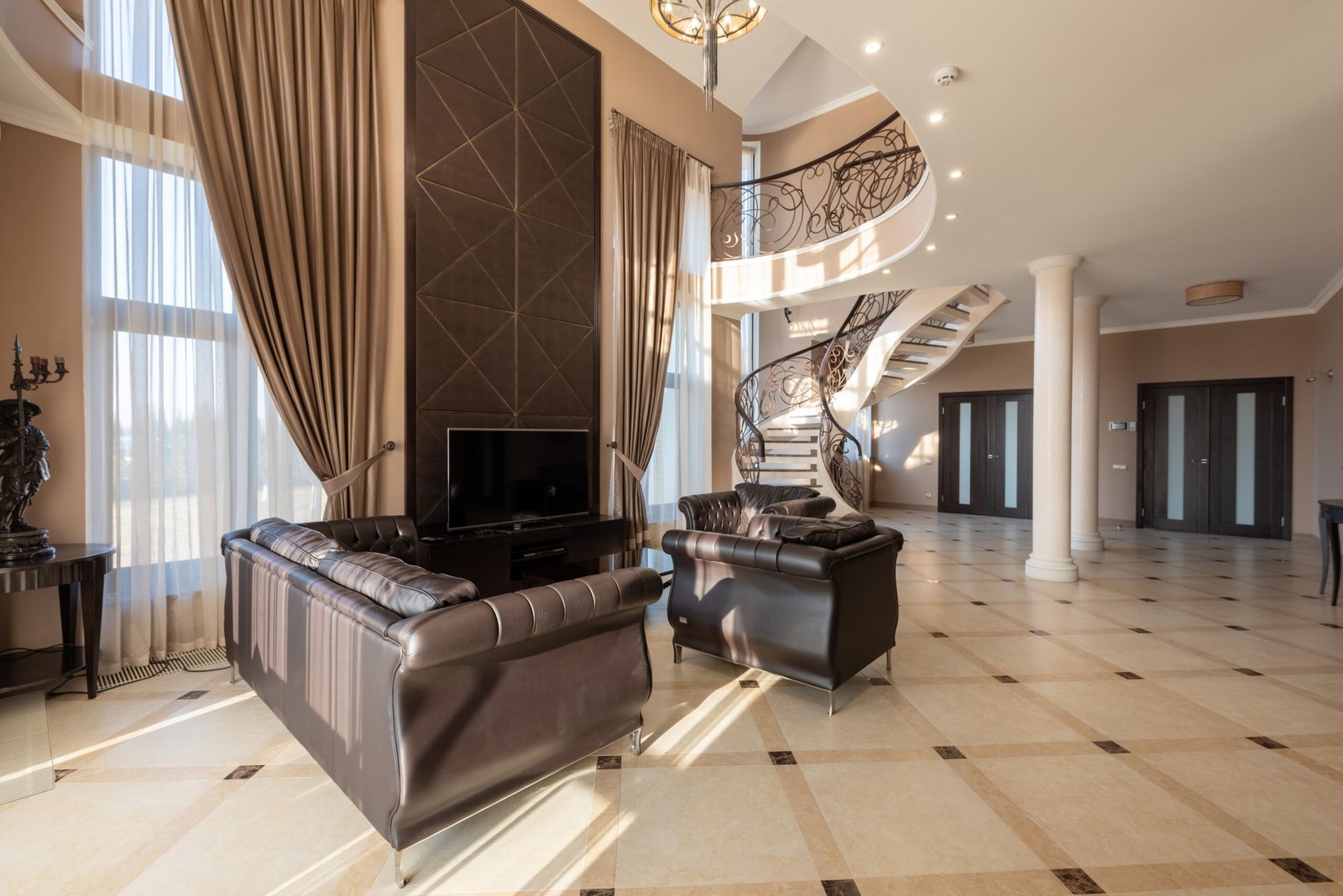
The sheer scale of Joel Osteen’s house is enough to leave most people speechless. The mansion spans approximately 17,000 square feet, a figure that is difficult to comprehend without a frame of reference. To put it into perspective, the average American home is around 2,000 to 2,500 square feet. This means Osteen’s mansion is roughly the size of eight or nine average homes combined . With six bedrooms and six bathrooms, the house is designed to accommodate a large family and numerous guests in supreme comfort, but the numbers reveal that this is far more than a functional family home . The interior is described as having soaring ceilings, expansive windows, and luxurious finishes that blend the property’s 1937 architectural roots with modern amenities . The home features five wood-burning fireplaces, creating a cozy yet opulent ambiance in the living areas, and three elevators, a feature that speaks to both convenience and the sheer vertical expanse of the mansion . From the gourmet kitchen, which is reportedly larger than most studio apartments, to the master suite that rivals a luxury hotel, every inch of the 17,000-square-foot structure is a testament to a life of affluence .
Special Features and Amenities
Beyond the bedrooms and bathrooms, the Osteen mansion is packed with amenities that push the boundaries of conventional living. The property includes a separate guest house, which itself is larger and more luxurious than many primary residences, complete with its own pool . The main house boasts a sprawling outdoor area with a swimming pool, meticulously landscaped grounds, and a patio designed for lavish entertaining. The landscaping is reportedly maintained to such a high standard that it appears as though professional gardeners are on site daily, ensuring every hedge and flower is perfectly arranged . Inside, the home is said to feature a private library, a dedicated home office, a gym, and potentially a home theater, although the family keeps the specifics of their private spaces closely guarded . The kitchen is outfitted with custom cabinetry and luxury finishes, while the dining area is capable of seating a large gathering of guests. Perhaps most tellingly, the estate includes parking for up to 20 cars, a driveway more akin to a small parking lot than a residential entrance, hinting at the scale of events the Osteens might host . For those who pay attention to detail, the annual property taxes on this sprawling estate are reported to be approximately $260,000, a figure that is more than the average annual income for most American families, underscoring the immense cost of maintaining such a property .
The Man Behind the Mansion
From Behind-the-Scenes to the Pulpit
To understand the home, one must understand the man. Joel Osteen was not always destined for the spotlight. Born in 1963 to John and Dolores Osteen, he grew up in the shadow of his father’s ministry at Lakewood Church . Rather than preparing for a life of public speaking, Joel initially worked behind the scenes, producing and directing the television broadcasts for his father’s church. He attended Oral Roberts University but dropped out before completing his degree to focus on the family business . His life changed abruptly in 1999 when his father passed away, and he was thrust into the role of senior pastor despite having no formal theological training and admitting to being an extremely nervous public speaker . He overcame this fear, according to his own admission, by imagining his audience as friends from a basketball game . Under his leadership, Lakewood Church has grown into the largest Protestant church in the United States, drawing over 40,000 attendees weekly to its 16,000-seat facility, a converted arena that once housed the Houston Rockets . This transition from media producer to international spiritual leader explains much about his polished presentation and his comfort with the trappings of celebrity.
The Prosperity Gospel and His Defence
Osteen’s message, often described as the “prosperity gospel,” is central to understanding his lifestyle. He preaches that God desires his followers to be blessed, healthy, and wealthy, a message that resonates deeply with millions who seek a tangible reward for their faith . Critics, however, argue that this theology is a distortion of Jesus’ teachings, which emphasized humility, sacrifice, and care for the poor. Osteen has consistently defended his wealth by stating that he does not take a salary from the church, pointing out that his fortune comes from his bestselling books and media deals rather than from the collection plate . He has claimed, “None of the donations come to me,” and that he feels it is a blessing to be able to work for the church without needing to draw a salary . When accused of living an excessively lavish lifestyle, Osteen has responded that he does not own yachts, private jets, or fleets of exotic cars, maintaining that his only significant luxury is his River Oaks home . He told Logan Paul on the “Impaulsive” podcast that he drives a 12-year-old Audi sedan and that claims of him owning Ferraris and Bentleys are fabrications, stating simply, “People like to make up stuff” .
The Tanglewood Property: A Second Home
Interestingly, the River Oaks mansion is not the only property the Osteens own. They also maintain a second home in the Tanglewood area of Houston, a 5,600-square-foot residence with four bedrooms and four bathrooms . This property is valued at approximately $2.9 million and serves as a secondary residence or investment property . The existence of this second home adds another layer to the public discourse, as it suggests that even when the family is not occupying their primary palace, they are still residing in a house worth millions. For most people, a home valued at nearly $3 million would be a dream come true; for the Osteens, it is merely a backup. This additional property fuels the ongoing debate about whether such accumulation of material goods aligns with spiritual leadership, as even the “spare” house is a symbol of extraordinary wealth that is inaccessible to the vast majority of his congregation . The Tanglewood house, while modest compared to the River Oaks estate, still places the Osteens firmly in the upper echelons of property ownership, reinforcing the image of a family that has fully embraced the material abundance they preach.
The Controversies
Hurricane Harvey and the “Closed Doors” Incident
Perhaps the most significant controversy surrounding Joel Osteen and his property occurred during Hurricane Harvey in 2017. As catastrophic flooding inundated Houston, social media erupted with criticism that Osteen had closed the doors of his massive 16,000-seat church to those seeking shelter, while he remained safe and dry in his River Oaks mansion . The backlash was immediate and ferocious, with many accusing him of hypocrisy and selfishness. According to reports, the church initially stated that it could not open its doors because the building had been flooded, but critics pointed out that it was situated on high ground and was largely unaffected . The church later clarified that it was not officially requested by local officials to serve as a shelter and that they were not prepared with staff or provisions to immediately house hundreds of people . Osteen and his team eventually opened the church, and he personally defended his actions, stating, “We have never closed our doors. We will continue to be a distribution center to those in need” . However, the incident left a bitter taste in the mouths of many Houstonians, who felt that a man with such resources should have been more proactive in helping his community during a time of crisis.
Lifestyle, Critics, and Public Scrutiny
The controversies surrounding Joel Osteen are not limited to natural disasters. His entire lifestyle is under constant scrutiny from both secular media and religious critics. As a prosperity gospel preacher, his home serves as a physical manifestation of his theology, but for many, it also represents a theological problem . Critics argue that Jesus Christ lived a humble life, and his disciples were called to give up their possessions, making the owner of a $10.5 million mansion seem to embody the opposite of Christian values . Osteen’s defenders, however, argue that his wealth is a sign of God’s favor and that he should not be expected to live in poverty just because he is a pastor . They point to his book sales and media empire as legitimate sources of income that are separate from his pastoral duties, and they applaud the fact that he does not take a church salary. This ongoing cultural battle reflects a deeper division within Christianity about the role of wealth in the faith, and Osteen’s house has become a central battleground . The public’s obsession with his home—whether to admire its beauty or criticize its existence—says as much about our collective fascination with wealth as it does about the man himself . It highlights a societal tension where we are simultaneously attracted to the success of religious leaders and repulsed by their perceived excesses.
Conclusion
joel osteen home River Oaks mansion is far more than a place to live; it is a profound symbol of a modern American movement. For those who believe in the prosperity gospel, it is a testament to God’s grace and a validation of Osteen’s teachings that faith leads to tangible, material rewards. For his detractors, it is a monument to a troubling theology that prioritizes wealth over humility and consumerism over compassion. The house, with its three elevators, two pools, and a 17,000-square-foot footprint, sits at the epicenter of a culture war about faith, money, and authenticity. Ultimately, the fascination with Joel Osteen’s home is a mirror reflecting our own complicated relationship with success, spirituality, and the pursuit of happiness. Whether you view it as a symbol of divine blessing or a departure from spiritual purity, one thing remains clear: Joel Osteen’s house is the physical embodiment of a message that has captivated—and divided—millions. The debate over his home will likely continue as long as he preaches, serving as a powerful reminder that in the eyes of the public, how a spiritual leader lives is just as important as what they say.
FAQ: Everything You Need to Know About Joel Osteen’s House
Where does Joel Osteen currently live?
Joel Osteen currently lives in a $10.5 million mansion in the prestigious River Oaks neighborhood of Houston, Texas. The address is 3960 Del Monte Drive, and the family has resided there since purchasing the property in 2010 .
How big is Joel Osteen’s mansion?
Joel Osteen’s River Oaks mansion is approximately 17,000 square feet. The estate sits on nearly two acres of land (1.86 acres) and features six bedrooms, six bathrooms, three elevators, and five wood-burning fireplaces .
What other properties does Joel Osteen own?
In addition to the River Oaks mansion, Joel Osteen and his wife Victoria own a second home in the Tanglewood area of Houston. This secondary property is a 5,600-square-foot house worth an estimated $2.9 million .
Why is Joel Osteen’s house controversial?
The house is controversial primarily because it stands in stark contrast to the humble lifestyle often associated with Christian teachings, especially Jesus’s message of poverty and service. Additionally, Osteen faced severe public backlash during Hurricane Harvey in 2017 for not opening the doors of his church to victims while he remained in his mansion, although he later defended his actions and eventually provided aid .
Does Joel Osteen own a yacht or private jet?
Despite public speculation and accusations of a “lavish” lifestyle, Joel Osteen has publicly stated that he does not own any yachts, private jets, or fleets of exotic cars. He maintains that his only major luxury possession is his River Oaks home and that he drives a 12-year-old Audi sedan .
How does Joel Osteen afford his house?
Osteen has stated that he does not take a salary from Lakewood Church, where he serves as pastor. His wealth comes primarily from the sale of his bestselling books and other media ventures, such as his Sirius radio show. He has said that he is “blessed in outside areas of the church” and that he “makes good investments,” particularly in real estate .
What is the annual property tax on Joel Osteen’s home?
The annual property tax on Joel Osteen’s River Oaks mansion is estimated to be approximately $260,000, reflecting the high value of the property .
Is Joel Osteen’s house open to the public?
No, Joel Osteen’s River Oaks mansion is a private residence and is not open to the public for tours. However, the house is occasionally featured in media reports, public records, and is sometimes visible from the street in the River Oaks neighborhood .
The Ultimate Guide to Achieving Classic East Coast Style
The preppy aesthetic, once confined to the hallowed halls of New England’s elite preparatory schools and the pages of collegiate fashion magazines, has experienced a remarkable resurgence in the world of interior design. Far from being a mere fleeting trend, the preppy room style represents a timeless approach to decorating that celebrates classic elegance, sophisticated patterns, and a curated sense of heritage. The preppy design trend is rooted in a rich East Coast heritage, conjuring images of Nantucket cottages, Cape Cod charm, and the effortless sophistication of a Ralph Lauren advertisement . This design philosophy is not about strict rules or matchy-matchy perfection; rather, it is an “umbrella term” that can lean nautical, embrace the grandeur of Palm Beach chic, or reflect the rugged elegance of a country estate, making it an incredibly versatile and enduring choice for any home .
Creating a preppy room is akin to curating a personal collection that tells a story of tradition, quality, and a life well-lived. It is a style that manages to feel both polished and inviting, structured yet comfortable, and timeless while remaining remarkably on-trend. This comprehensive guide will walk you through every element of crafting a preppy room, from foundational color palettes and essential patterns to furniture selection and the all-important finishing touches. Whether you are looking to completely transform a space or simply infuse it with a touch of Ivy League charm, this guide provides the inspiration and practical advice needed to achieve the perfect preppy look.
Defining the Preppy Room Aesthetic
At its heart, the preppy interior design style is an homage to a classic, collegiate-inspired way of life. The term itself stems from “prep school,” and the aesthetic encapsulates the sophisticated, vintage-inspired lifestyle associated with Ivy League students, encompassing traditions like polo, tennis, and sailing . This is a style that exudes “old-money opulence” and celebrates the finer things in life, but in a way that feels approachable and lived-in rather than stuffy or ostentatious . The essence of the look is perfectly captured by the iconic book, The Official Preppy Handbook, which describes the style through four key tenets: “classic, handsome, patina, and mother’s” .
The beauty of the preppy room aesthetic lies in its adaptability and layered nuance. Today’s designers are embracing a “preppy traditional” revival, blending classic Americana with Ivy League influences to create spaces that are sophisticated, comfortable, and full of heritage . It is not a one-size-fits-all look; instead, it can be interpreted in various ways, from a clean and crisp coastal grandmother vibe to a more dramatic and moody take for the fall season . This contemporary take moves away from the overly pristine and “matchy-matchy” plaids of decades past, instead celebrating a curated mix of timeless patterns, rich textures, and refined color palettes that feel both intentional and inviting . The goal is to create a space that feels as comforting as a well-worn blazer, balancing sophistication with a casual, effortless charm.
The Color Palette: Crisp, Classic, and Confident
The foundation of any great preppy room is its color palette, which should evoke a sense of freshness, tradition, and quiet confidence. While the style is known for its bold use of color, these hues are typically anchored by crisp, clean neutrals to maintain a sense of balance and sophistication. Fresh whites are an absolute cornerstone of the aesthetic, acting as the perfect canvas that gives the room its iconic, vibrant pop and prevents bolder colors from feeling overwhelming . Whether used on walls, trim, or linens, a brilliant white provides a sense of breathability and timeless elegance.
Against this pristine backdrop, the classic preppy palette truly comes to life. Navy blue is perhaps the most quintessential color, often paired with white for a classic nautical feel, or combined with other rich tones for depth . Green, particularly in shades like kelly green or deep forest green, is another staple, adding a touch of nature and collegiate spirit . For a more vibrant and energetic feel, colors like coral, pink, and sunny yellow can be introduced as accents, injecting a sense of fun and modern vitality into the space . Designers are also embracing a moodier, more sophisticated palette for 2025, incorporating deeper shades like burgundy, oxblood red, and camel tones to create a cozier, more traditional feel reminiscent of a classic college library . The interplay between these bold, classic colors and clean whites is what gives the preppy room its distinctive and enduring appeal.
Patterns and Textiles: The Hallmark of Preppy Style
If the color palette is the foundation, then patterns and textiles are the soul of a preppy room. This is where the personality and charm of the style truly shine. Classic patterns are the backbone of the look, transforming a simple space into one that feels curated, sophisticated, and full of visual interest. Stripes, plaids, gingham, and checks are the most iconic patterns, instantly recognizable as preppy . Designers encourage a “mix-and-match” approach, layering stripes with florals, or combining plaids with polka dots for a dynamic and collected feel . The key to successfully mixing patterns lies in varying their scale—pairing a bold, oversized stripe with a smaller, delicate floral print, for example—and ensuring they share a cohesive color palette .
The use of textiles extends beyond just patterns, encompassing a rich variety of textures that add depth and comfort. Think of wool blankets in traditional tartans, soft cable-knit throws, and velvet or linen cushions in solid colors that help ground the busier patterns . Layering these different textures, such as placing a chunky knit throw over a smooth linen duvet, creates a tactile and inviting environment . Tailored details are also paramount, from crisp, pleated skirts on sinks or tables to custom smocked lampshades, embodying the clean and polished nature of the aesthetic . The thoughtful incorporation of these patterns and textiles is what elevates a preppy room from a simple collection of furniture to a cohesive and stylish statement.
Furniture and Key Decor Elements
Selecting the right furniture and decor is crucial to achieving the authentic preppy look, as these pieces form the structural and aesthetic backbone of the room. The style favors classic silhouettes and high-quality materials that evoke a sense of tradition and permanence, often blending antique or vintage finds with cleaner, more contemporary pieces for a collected-over-time feel . This interplay between old and new is what gives the space a sense of history and personality, preventing it from looking too staged or like a showroom.
Essential Furniture Pieces
The Bed: As the focal point of the bedroom, the bed should be a statement of classic style. A grand wooden bed frame, particularly in rich mahogany or a beautifully scrubbed pine, serves as a stunning centerpiece . Four-poster beds with intricate woodwork or upholstered headboards with tufted details add a touch of grandeur and luxury .
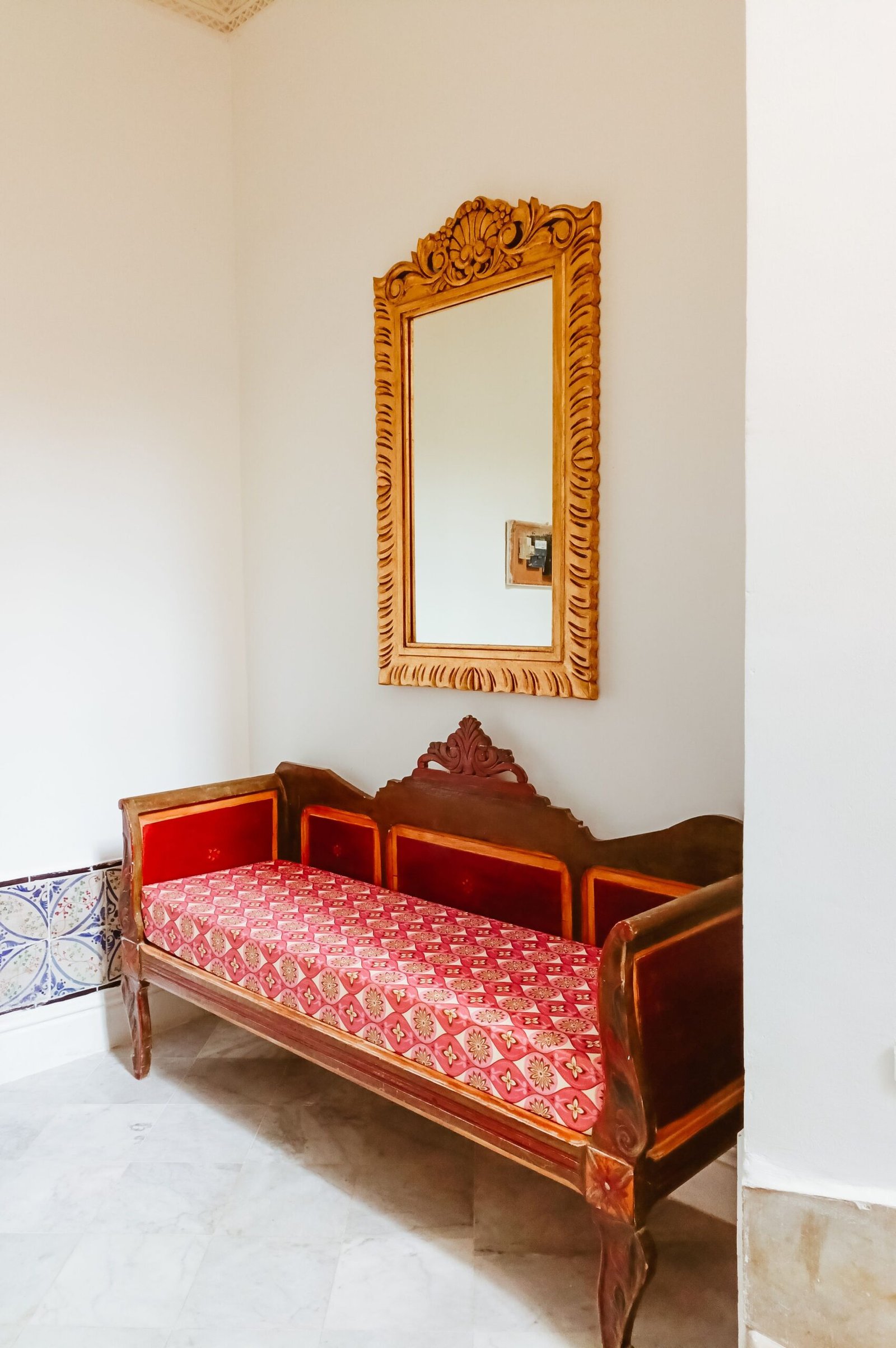
Upholstery: Seating should be both elegant and comfortable. A classic English roll-arm sofa is a timeless choice for a sitting area, while cozy wingback chairs or tufted leather ottomans add a sense of formality and quality . For a more casual touch, skirted lounge chairs are a hallmark of preppy design, adding a layer of tailored softness .
Case Goods: Look for quality craftsmanship in dressers, nightstands, and writing desks. Dark woods like walnut and mahogany are traditional favorites, but painted pieces in crisp white or soft colors can also work beautifully, especially when paired with brass hardware . Built-in cabinetry is another excellent feature that oozes traditional style and provides ample storage for displaying cherished china or books .
Accessorizing with Flair
Accessories are where you can truly infuse personality and charm into a preppy room, transforming a beautifully decorated space into a unique and personal one. Monogramming is perhaps the most iconic preppy touch—adding your initials to pillows, towels, or bed linens instantly elevates the space and adds a sense of personal heritage . Nostalgic sporting objects, such as vintage tennis rackets, golf clubs, or equestrian gear, make for wonderfully quirky wall art or decorative props that bring a refined “country club” spirit to the room .
Nautical motifs, including anchors, sailboats, and rope detailing, are common accessories that amplify the coastal influence often associated with preppy style . Artwork plays a key role as well; think classic landscapes, equestrian prints, or an old-school oil portrait to act as a sophisticated focal point . Fresh flowers in a beautiful vase or a collection of leather-bound books are simple yet effective ways to add life, color, and that sense of curated refinement that defines the look . Small details, from brass drawer pulls and elegant lamp shades to a wicker basket filled with seashells, help tie the entire aesthetic together .
Step-by-Step Guide to Creating Your Preppy Room
Embarking on a preppy room makeover can be a rewarding project that allows you to curate a space that is both stylish and deeply personal. By following a step-by-step approach, you can ensure that all the elements work together harmoniously to create a cohesive and polished look that embodies the timeless charm of the preppy aesthetic.
Step 1: Establish Your Color Foundation
Begin by selecting your wall color. For a quintessential preppy look, crisp white is the ideal choice, providing a clean and versatile backdrop for your other design elements . Benjamin Moore’s Seapearl is an excellent example of a preppy-approved white that feels fresh and bright . Once your walls are set, choose one or two classic accent colors for the remainder of the space, such as navy blue, kelly green, or a vibrant coral. Use these accent colors on larger pieces like your upholstery or area rug, and reserve bolder, brighter pops for smaller accessories like throw pillows or artwork to maintain a balanced and sophisticated look.
Step 2: Incorporate Classic Patterns
With your color palette in place, it is time to introduce the patterns that will define your room. Start with a statement piece like a navy and white striped duvet cover or a plaid area rug to anchor the space . Then, begin layering in other patterns on a smaller scale. For example, if you have a striped rug, you might add plaid throw pillows and a gingham lampshade. Remember the rule of varying scales: pair a large check with a small stripe and balance busy patterns with plenty of solid-color textiles in your accent colors .
Step 3: Select Timeless Furniture
Furnish the room with pieces that feature classic silhouettes and are built to last. Prioritize high-quality wood furniture, such as a solid four-poster bed, a classic writing desk, and a sturdy dresser . Dark woods like mahogany or walnut are traditional choices, but scrubbed pine or painted pieces can also be excellent options depending on the room’s color scheme. Incorporate an upholstered piece like a comfortable reading chair, perhaps with a tufted back or a skirt, to add softness and luxury to the space .
Step 4: Add Personal and Thematic Accessories
This is where you bring the room to life. Add monogrammed pillows to the bed or a monogrammed throw to the chair for an instant preppy signature . Incorporate personal touches like a gallery wall of framed photos, a collection of your favorite books, or artwork that inspires you . Finally, add those quintessential preppy decorative accents, such as a nautical-themed trinket, a brass lamp, fresh flowers, or a vintage tennis racket, to truly personalize the space and give it that collected, curated feel . Pay attention to the smallest details, from drawer pulls to curtain rods, as these often make the biggest difference in creating a cohesive and polished preppy room .
Conclusion
The enduring appeal of the preppy room lies in its ability to blend timeless elegance with a sense of personality and comfort. It is a style rooted in tradition, yet endlessly adaptable, allowing you to create a space that feels both curated and uniquely your own. By embracing a classic color palette of crisp whites and bold, heritage hues, incorporating a mix of iconic patterns like stripes, plaids, and gingham, and selecting timeless furniture and meaningful accessories, you can create a sanctuary that exudes sophistication without sacrificing warmth. The key is to have fun with the process and allow your personal style to shine through. Whether you lean into the polished formality of a classic library or the breezy charm of a coastal cottage, the preppy style offers a beautiful and enduring framework for creating a room that you will love for years to come.
Frequently Asked Questions
What colors are best for a preppy room?
The best colors for a preppy room are crisp whites paired with classic, vibrant hues. Navy blue, kelly green, and coral pink are quintessential choices. For a more traditional feel, incorporate deep burgundy, forest green, and camel tones, especially in colder months. The key is to use these bold colors as accents against a clean white foundation for a balanced and fresh look .
How can I incorporate patterns without it looking too busy?
The secret to mixing patterns in a preppy room is to layer them in varying scales and ensure they share a cohesive color palette. For example, pair a large gingham check with a thin stripe and a small floral print . Balance the patterned items with plenty of solid-colored textiles in your chosen accent colors to give the eye a place to rest. Using one dominant pattern and supporting it with smaller, complementary ones is a surefire way to achieve a collected, sophisticated look .
What type of furniture should I look for?
Look for furniture with classic silhouettes and high-quality craftsmanship. Wooden furniture in rich finishes like mahogany or walnut is a hallmark of the style, as are pieces with intricate details and tufted upholstery . Don’t be afraid to mix antique and vintage finds with newer pieces to add personality and a sense of history . Iconic pieces include four-poster beds, English roll-arm sofas, wingback chairs, and skirted lounge chairs .
How do I add a personal touch to a preppy room?
Personalization is key to making a preppy room feel lived-in and unique. Monogrammed items, such as pillows and towels, are a classic and personal preppy signature . Display your favorite books, create a gallery wall with framed photographs and personal artwork, and incorporate accessories that reflect your hobbies, such as sporting memorabilia or nautical decor . This makes the space a true reflection of your personality.

2026 GMC Terrain AT4: Complete Guide to Features, Performance, Price and Off-Road Capability

1998 Toyota Celica: Complete Guide to Specs, Features, Performance and Reliability

Warehouse DMB: A Complete Guide to Warehouse Management and Distribution

Kinervus: Everything You Need to Know About the Emerging Concept in Rehabilitation, Technology, and Digital Innovation

Danielle Vangar: The Private Woman Behind a Publicly Known Name

ReadMyManga com: Features, Safety, Legal Risks, and Everything You Need to Know in 2026
 Tech3 months ago
Kinervus: Everything You Need to Know About the Emerging Concept in Rehabilitation, Technology, and Digital Innovation
- Lifestyle3 months ago
Danielle Vangar: The Private Woman Behind a Publicly Known Name
- Tech3 months ago
ReadMyManga com: Features, Safety, Legal Risks, and Everything You Need to Know in 2026
- Fashion3 months ago
Carey Salley: The Private Life Behind a Hollywood Connection
- Entertainment3 months ago
Pele Velentina: The Rise of a New Musical Artist and Daughter of Lisa Kennedy Montgomery
- Tech2 months ago
Bilieter : The Complete Guide to Meaning, Uses, Features, and Why It Is Gaining Attention
- Business2 months ago
The Many Faces of Ori Solomon: From Corporate Law to the Las Vegas Biolab Case and Beyond
- Tech3 months ago
Kaliscan: The Ultimate Guide to Understanding Its Features, Risks, and Potential